✦ publish
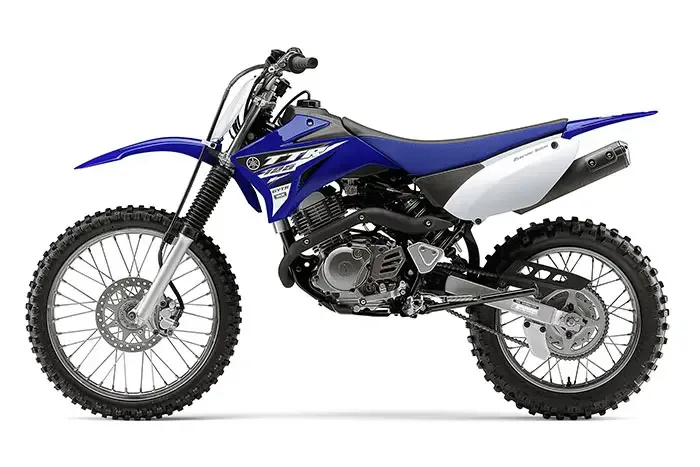
Yamaha TT-R 125 LE
2015
2015
The Yamaha TT-R 125 LE is a stalwart in the world of recreational off-road motorcycles, and the 2015 model year continues its legacy of providing accessible fun for riders of all skill levels. This review focuses on what makes the TT-R 125 LE a compelling choice in a crowded market, particularly when compared to rivals like the Honda CRF125F and Kawasaki KLX140.
The Yamaha TT-R 125 LE occupies a sweet spot in the off-road motorcycle market. It's larger and more powerful than entry-level 50cc machines, but less intimidating than full-sized dirt bikes. This makes it ideal for teens graduating from smaller bikes, adults looking for a casual trail machine, or anyone wanting a low-stakes introduction to off-road riding. Competitors like the Honda CRF125F offer similar appeal, but the TT-R 125 LE often boasts slightly more aggressive styling and a more responsive engine.
At the heart of the Yamaha TT-R 125 LE is a reliable 124cc air-cooled, four-stroke engine. This powerplant, fed by a Mikuni VM20 carburettor, delivers smooth and predictable power, making it incredibly forgiving for novice riders. While the 2015 specifications may not scream "high performance," the engine's real-world usability is where it shines. The 5-speed gearbox allows riders to effectively manage the available power, whether navigating tight trails or opening up on more open terrain. Don't expect blistering acceleration, but the engine provides enough grunt to tackle moderate hills and maintain a comfortable pace. The air-cooled design is simple and reliable, minimizing maintenance concerns.
The TT-R 125 LE's ergonomics are well-suited for a wide range of riders. The seat height of 805mm (31.7 inches) provides a manageable stance for most, contributing to rider confidence. The lightweight chassis makes the bike easy to maneuver, both on and off the trail. Suspension duties are handled by a telescopic fork up front and a single shock in the rear, providing a comfortable ride over bumps and ruts. While not designed for aggressive motocross riding, the suspension effectively absorbs typical trail obstacles. Daily usability is excellent; the bike is easy to start, simple to operate, and relatively quiet.
Yamaha has a reputation for building durable and reliable motorcycles, and the TT-R 125 LE is no exception. The 2015 model features classic Yamaha off-road styling, with aggressive lines and a sporty aesthetic. The materials used are robust and designed to withstand the rigors of off-road riding. Fit and finish are generally excellent, contributing to the bike's overall feeling of quality and durability. The steel frame provides a solid foundation, while the plastic bodywork is resistant to scratches and impacts.
The Yamaha TT-R 125 LE is an excellent choice for riders seeking an accessible and reliable off-road motorcycle. Its smooth power delivery, manageable size, and robust construction make it ideal for beginners, teens, and adults looking for casual trail riding fun. While competitors like the Kawasaki KLX140 offer similar capabilities, the TT-R 125 LE's combination of performance, value, and Yamaha's renowned reliability make it a standout choice. If you're looking for a fun, easy-to-ride dirt bike that won't break the bank, the TT-R 125 LE is definitely worth considering.
✅ Why buy this bike?
* Electric start provides easy and reliable starting, especially for younger or less experienced riders. * Low seat height (31.7 inches) inspires confidence and makes it manageable for a wide range of rider sizes, particularly teens and smaller adults. * Smooth and predictable power delivery from the 124cc engine is forgiving and helps build rider skills without being intimidating. * Reliable Yamaha build quality ensures long-term durability and minimal maintenance, reducing overall ownership costs. * The TT-R125LE's suspension (telescopic front forks and a monoshock rear) offers a comfortable ride on trails and absorbs bumps effectively for a machine in this class.⚠️ Things to consider
* Lack of power makes it unsuitable for larger adults or more challenging terrain; riders will quickly outgrow the engine's capabilities. * Drum brakes front and rear offer less stopping power compared to disc brakes, especially in wet or muddy conditions. * Basic instrumentation lacks features like a speedometer or trip meter, which could be useful for tracking riding time and distance. * Non-adjustable suspension limits the ability to fine-tune the ride for different rider weights or riding styles.Rule of thumb: under 125cc / 15HP → A1, under 47HP → A2, above → A.
Estimated average for 124cc class: 75-100 mpg (2.5-3.5 L/100km)
⛽ Tank: 6.06 litres (1.60 US gallons)
Insurance grouping for Yamaha TT-R 125 LE (124cc):
Personalised premium estimate for the Yamaha TT-R 125 LE (UK rates):
💡 Estimate based on UK market averages. For real quotes, compare on Compare the Market, MoneySuperMarket, GoCompare.
Estimated price range for the Yamaha TT-R 125 LE based on comparable motorcycles:
📊 average of 149 similar motorcycles · Approximate (USD)
Find new and used Yamaha TT-R 125 LE 2015 listings:
💡 Third-party listings. MotoBike Info is informational only.
No comments yet. Be the first to write one!