✦ publish
Yamaha XJ 700 XS
1986
1986
The Yamaha XJ 700 XS, a mid-size marvel from 1986, often gets overshadowed by its more famous brethren. But for those in the know, this bike represents a sweet spot of performance, practicality, and affordability. This review delves into what makes the XJ 700 XS a surprisingly compelling classic.
In the mid-80s, the motorcycle market was a battlefield. The Yamaha XJ 700 XS entered the fray as a contender in the burgeoning middleweight sport-touring category. It aimed to offer the sporting prowess of machines like the Honda VF700F Interceptor, but with a more rider-friendly demeanor. It was a direct competitor to the Suzuki GS700E, offering similar displacement and performance, but with Yamaha's distinctive styling and engineering. While the Interceptor leaned heavily into sport, the XJ 700 XS prioritized all-around usability.
At the heart of the Yamaha XJ 700 XS lies a liquid-cooled, in-line four-cylinder engine displacing 697.3 ccm. This powerplant, fed by four 33mm Mikuni CV carburetors, delivers a respectable 67.7 Nm of torque at 8000 RPM. The performance is characterized by a smooth and linear power delivery. Unlike some peakier sportbikes of the era, the XJ 700 XS offers plenty of usable power in the mid-range, making it ideal for everyday riding and comfortable highway cruising. While not a drag-strip monster, the engine provides ample acceleration for passing and spirited riding. The 5-speed gearbox is smooth and precise, contributing to a refined riding experience. The 1986 specifications point to a well-engineered and reliable engine, even by today's standards.
The Yamaha XJ 700 XS shines when it comes to ride quality. The comfortable seat, with a low 760mm height, makes it accessible to a wide range of riders. The upright riding position contributes to all-day comfort, and the bike's relatively light dry weight of 215 kg makes it manageable in city traffic. Handling is predictable and stable, inspiring confidence in corners. While not a dedicated sportbike, the XJ 700 XS is capable of carving through twisty roads with ease. Daily usability is excellent, thanks to its comfortable ergonomics, reliable engine, and reasonable fuel tank capacity of 13 liters.
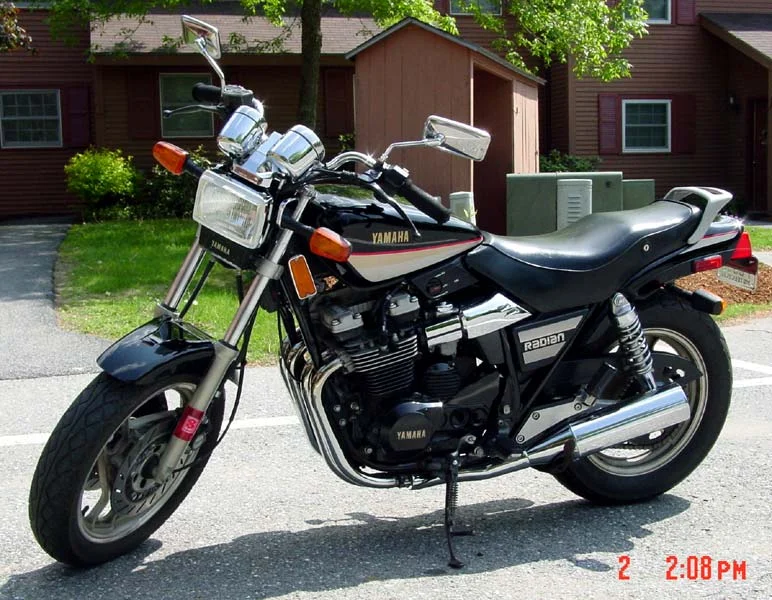
The Yamaha XJ 700 XS boasts a classic 80s aesthetic, with clean lines and a functional design. The materials used are of good quality, and the fit and finish are generally excellent. While some plastic components may show their age, the overall build quality is impressive, reflecting Yamaha's commitment to durability. The design, while not groundbreaking, is timeless and understated, aging gracefully over the years.
The Yamaha XJ 700 XS is a hidden gem for riders seeking a reliable, comfortable, and affordable classic motorcycle. It's ideal for commuters, weekend tourers, and anyone who appreciates a well-rounded machine. If you're looking for a bike that offers a blend of performance and practicality without breaking the bank, the XJ 700 XS is definitely worth considering. It's a fantastic entry point into the world of classic motorcycles and a testament to Yamaha's engineering prowess. The 1986 model, in particular, represents a high point in the XJ series, offering a desirable combination of style, performance, and value.
✅ Why buy this bike?
* Smooth and reliable inline-four engine providing a good balance of power and smoothness for its time. * Shaft drive reduces maintenance compared to chain-driven motorcycles, offering a cleaner and more convenient riding experience. * Comfortable riding position suitable for longer rides and commuting. * Relatively lightweight for a motorcycle of its class and era, enhancing maneuverability. * Classic styling that appeals to riders who appreciate vintage motorcycles.⚠️ Things to consider
* Limited availability of parts compared to more modern motorcycles, potentially making maintenance and repairs more challenging. * Suspension technology is dated, offering a less refined ride compared to modern bikes, especially on rough roads. * Brakes are adequate for the bike's performance but lack the stopping power and feel of modern braking systems. * Lack of modern features such as fuel injection, digital instrumentation, and advanced rider aids.Rule of thumb: under 125cc / 15HP → A1, under 47HP → A2, above → A.
Manufacturer-quoted consumption: 5.70 litres/100 km (17.5 km/l or 41.27 mpg).
⛽ Tank: 13.00 litres (3.43 US gallons)
Insurance grouping for Yamaha XJ 700 XS (697cc):
Personalised premium estimate for the Yamaha XJ 700 XS (UK rates):
💡 Estimate based on UK market averages. For real quotes, compare on Compare the Market, MoneySuperMarket, GoCompare.
Estimated price range for the Yamaha XJ 700 XS based on comparable motorcycles:
📊 average of 6 similar motorcycles · Approximate (USD)
Find new and used Yamaha XJ 700 XS 1986 listings:
💡 Third-party listings. MotoBike Info is informational only.

No comments yet. Be the first to write one!