✦ publish
Yamaha XJR 1300
1999
1999
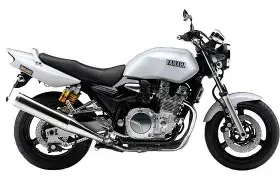
The Yamaha XJR 1300. The name itself conjures images of raw power, classic lines, and a commitment to old-school motorcycling. This 1999 model, now a cherished classic, occupies a unique space in motorcycle history. Back in the late 90s, the XJR 1300 went head-to-head with rivals like the Suzuki Bandit 1200 and Kawasaki ZRX1200R, all vying for the crown of the ultimate big-bore naked bike. While the Bandit offered a more budget-friendly option and the ZRX boasted a slightly more aggressive edge, the Yamaha carved its niche with a blend of refined performance and timeless design.
At the heart of the Yamaha XJR 1300 lies its magnificent 1251cc air-cooled, in-line four-cylinder engine. This isn't a high-revving, technologically complex powerplant; it's a brute, pure and simple. The 1999 specifications reveal a torque figure of 98 Nm (72.3 ft.lbs) at 6000 RPM, and that number tells the whole story. The power delivery is incredibly linear, providing effortless acceleration from virtually any RPM. Forget frantic gear changes; this engine thrives on lazy cruising and instant overtaking ability. While the claimed top speed is around 218 km/h (135.5 mph), the real joy comes from the sheer grunt available at lower speeds. This isn't about chasing lap times; it's about enjoying the visceral thrill of raw engine performance.
The Yamaha XJR 1300 isn't trying to be a sportbike. Its ergonomics prioritize comfort and usability. The upright riding position, combined with a relatively low 780mm seat height, makes it surprisingly accessible for a wide range of riders. The weight is noticeable, especially at low speeds, but once moving, the bike feels stable and planted. The suspension, while not cutting-edge, provides a comfortable ride on most road surfaces. Daily usability is excellent; the large 21-litre fuel tank offers a decent range, making it suitable for commuting and weekend trips alike. It's a bike that rewards smooth inputs and offers a relaxed, confidence-inspiring riding experience.
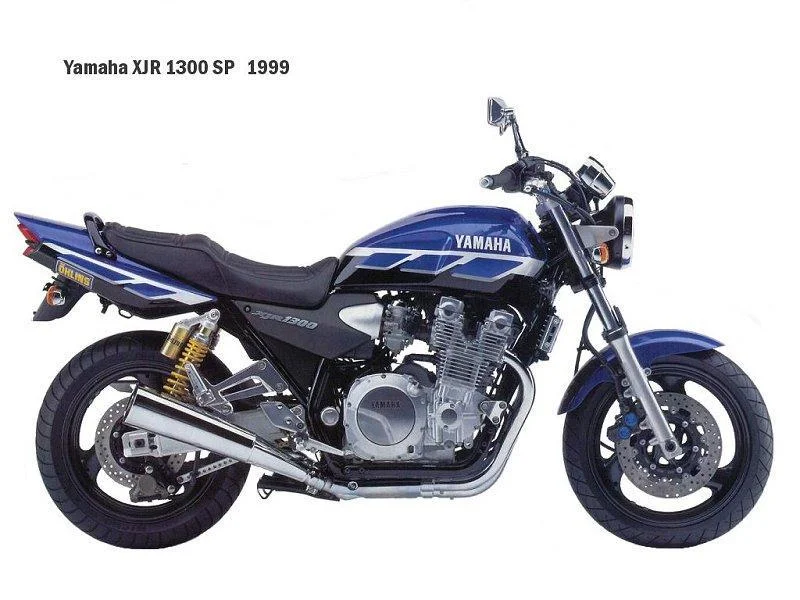
The design of the Yamaha XJR 1300 is undeniably classic. Its simple, uncluttered lines and exposed engine showcase its mechanical beauty. The use of quality materials, such as the chrome-plated exhausts and well-finished paintwork, contributes to a sense of solidity and durability. The fit and finish are excellent, reflecting Yamaha's commitment to build quality. This is a motorcycle that looks as good as it performs, and its timeless design ensures it remains a head-turner even today.
The Yamaha XJR 1300 is a motorcycle for those who appreciate raw power, classic styling, and a no-nonsense riding experience. It's not the fastest or most technologically advanced bike, but it offers a unique blend of performance and character that is hard to resist. The ideal target audience includes experienced riders looking for a comfortable and powerful all-rounder, as well as those seeking a classic motorcycle with modern reliability. If you value simplicity, grunt, and timeless design, the 1999 Yamaha XJR 1300 is definitely worth considering. It’s a bike that delivers a visceral and rewarding riding experience that few modern motorcycles can match.
✅ Why buy this bike?
* Powerful and torquey 1251cc air-cooled inline-four engine provides effortless acceleration at any RPM, making it ideal for relaxed cruising and confident overtaking. * Classic, retro styling with a muscular stance and exposed engine components offers a timeless appeal that sets it apart from modern, overly-styled motorcycles. * Comfortable riding position with a relatively upright posture and well-padded seat, suitable for longer rides and everyday commuting. * Robust and reliable engine and chassis construction contribute to excellent longevity and minimal maintenance requirements, making it a dependable choice. * Relatively simple technology and mechanics make it easier to maintain and repair compared to modern, electronically complex motorcycles. * Effective braking system with powerful four-piston calipers provides ample stopping power for a bike of its size and weight.⚠️ Things to consider
* Relatively heavy weight can make it less agile and maneuverable, particularly at low speeds and in tight urban environments. * Air-cooled engine can suffer from heat soak in hot weather and heavy traffic, leading to reduced performance and rider discomfort. * Fuel economy is not particularly impressive compared to modern motorcycles, especially when ridden aggressively. * Suspension, while adequate, lacks the sophistication and adjustability of more modern bikes, resulting in a less refined ride quality on rough surfaces. * Lack of modern features such as ABS, traction control, and electronic fuel injection can be a drawback for riders accustomed to contemporary technology.Rule of thumb: under 125cc / 15HP → A1, under 47HP → A2, above → A.
Manufacturer-quoted consumption: 7.20 litres/100 km (13.9 km/l or 32.67 mpg).
⛽ Tank: 21.00 litres (5.55 US gallons)
Insurance grouping for Yamaha XJR 1300 (1251cc):
Personalised premium estimate for the Yamaha XJR 1300 (UK rates):
💡 Estimate based on UK market averages. For real quotes, compare on Compare the Market, MoneySuperMarket, GoCompare.
Find new and used Yamaha XJR 1300 1999 listings:
💡 Third-party listings. MotoBike Info is informational only.
No comments yet. Be the first to write one!