✦ publish
Yamaha XT 350 (reduced effect)
1986
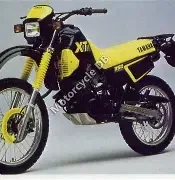
1986
The Yamaha XT 350 (reduced effect). The very name conjures images of dusty trails, weekend adventures, and a simpler time in motorcycling. This 1986 iteration, while not boasting the raw power of its unrestricted siblings, offers a unique blend of accessibility and off-road capability that cemented its place in the hearts of many riders. This review dives deep into what makes this specific model, with its reduced power output, a compelling choice even today.
In 1986, the dual-sport market was burgeoning. The Yamaha XT 350 (reduced effect), with its detuned engine, aimed at riders seeking a less intimidating experience without sacrificing the fundamental fun of off-road exploration. Compared to bikes like the Honda XR250R, which prioritized outright performance, the XT 350 offered a more approachable power delivery and a slightly lower seat height, making it ideal for learners, smaller riders, or those simply preferring a more manageable machine. Another competitor was the Suzuki DR250, known for its reliability, but the XT 350 often won out in terms of overall refinement and user-friendliness.
Let's be clear: the Yamaha XT 350 (reduced effect)'s 1986 specifications reveal a power output of 17 HP (12.4 kW) at 7000 RPM. This isn't going to win any drag races. However, that's not the point. The 346cc single-cylinder, four-stroke engine is all about tractable torque. This translates to usable power in the dirt, allowing you to confidently navigate technical terrain without constantly fighting the throttle. The air-cooled engine's simplicity is also a boon, making maintenance relatively straightforward. Top speed is around 116 km/h (72.1 mph), adequate for linking trails on paved roads, but highway cruising isn't its forte. The 6-speed gearbox is well-spaced, offering a gear for every situation, from slow-speed crawling to moderately paced open roads.
The XT 350 excels in ride quality thanks to its balanced chassis and forgiving suspension. The seat height is relatively low for a dual-sport, making it accessible to a wide range of riders. While the seat itself isn't plush, it's adequate for shorter rides. The bike's lightweight nature makes it easy to maneuver both on and off-road. The suspension, while basic, soaks up bumps and ruts reasonably well. Long-distance comfort is limited, but for day trips exploring backroads and trails, the XT 350 is a joy to ride. The 12-liter fuel tank provides a decent range, allowing you to venture further off the beaten path.
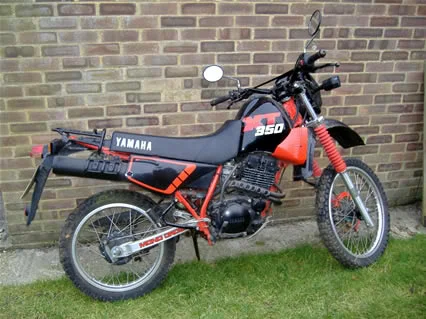
The Yamaha XT 350 (reduced effect) sports a classic dual-sport aesthetic. Its simple lines and functional design have aged well. The materials used are durable, and the fit and finish are generally good for a bike of this era. While some components may show their age after nearly four decades, the XT 350 is known for its reliability. Regular maintenance is key to keeping it running smoothly, but the basic design makes repairs relatively easy and affordable.
The Yamaha XT 350 (reduced effect) review concludes that this is an excellent motorcycle for beginners, smaller riders, or anyone seeking a manageable and reliable dual-sport for exploring trails and backroads. Its reduced power output makes it less intimidating than more powerful models, while still offering plenty of fun and capability. If you're looking for a classic dual-sport that's easy to maintain and won't break the bank, the 1986 Yamaha XT 350 (reduced effect) is definitely worth considering. Its performance is perfectly suited for learning the ropes of off-road riding and enjoying the simple pleasures of motorcycling.
✅ Why buy this bike?
* Lightweight and nimble handling makes it excellent for tight trails and off-road maneuverability. * Simple, air-cooled engine is relatively easy to maintain and repair, even in remote locations. * Dual-sport versatility allows for comfortable riding on both paved roads and unpaved trails. * Low seat height makes it accessible to riders of varying heights and experience levels. * Decent fuel economy, typically achieving around 60-70 mpg, makes it an economical choice for commuting and exploration.⚠️ Things to consider
* Limited power output (17 HP) makes it unsuitable for extended highway riding or carrying heavy loads. * Basic suspension components offer limited adjustability and can become overwhelmed on rough terrain at higher speeds. * Drum brakes front and rear provide adequate stopping power in dry conditions but lack the performance of disc brakes, especially in wet or muddy conditions. * Older model (1986) means finding replacement parts can be challenging and require more searching.The Yamaha XT 350 (reduced effect) produces 17 HP, fitting A2 license limits (max 35 kW / 47 HP). For riders 18+.
Estimated average for 346cc class: 45-60 mpg (4.0-5.5 L/100km)
⛽ Tank: 12.00 litres (3.17 US gallons)
Insurance grouping for Yamaha XT 350 (reduced effect) (346cc):
Personalised premium estimate for the Yamaha XT 350 (reduced effect) (UK rates):
💡 Estimate based on UK market averages. For real quotes, compare on Compare the Market, MoneySuperMarket, GoCompare.
Find new and used Yamaha XT 350 (reduced effect) 1986 listings:
💡 Third-party listings. MotoBike Info is informational only.

No comments yet. Be the first to write one!