Safe Motorcycle Riding on Long Journeys: A Comprehensive Guide from Route Planning to Break Discipline
Prioritize your safety while enjoying the taste of freedom: Everything you need to know, from equipment selection to riding techniques in challenging weather conditions.
Embarking on a long motorcycle journey is a unique experience that combines the desire for exploration, adventure, and freedom. However, to fully enjoy these exciting trips, safety, comfort, and preparation are indispensable. In this comprehensive guide, you will find all the important details for safe motorcycle riding on long journeys, from route planning to choosing the right equipment, from break discipline to riding techniques in challenging weather conditions.
1. Detailed Route Planning: The Foundation of Your Journey
Good route planning ensures your long journey is not only more enjoyable but also safer. The steps you take before setting off help minimize unexpected situations.
- Route Research: Conduct preliminary research on the condition of the roads you'll be taking, road construction, and potential hazards (sharp turns, rough terrain). Especially on lesser-known or rural routes, identify fuel stations, accommodations, and emergency service points.
- Navigation and Backup: Use an up-to-date motorcycle navigation device or smartphone applications. However, have a backup plan, such as a paper map or an offline map application, in case electronic devices malfunction or run out of battery.
- Break and Accommodation Points: To combat fatigue, determine places where you will take a break every 150-200 km or approximately every 1.5-2 hours. Making reservations in advance for overnight stays saves you time and stress, especially during peak seasons or popular destinations.
- Alternative Routes: Identify alternative routes in case of unexpected closures or heavy traffic on your main route.
- Weather Check: Regularly monitor the weather conditions along your route before and during the journey. Especially in mountainous regions or coastal areas, weather conditions can change rapidly. Be prepared for sudden rain, wind, or temperature drops.
2. Choosing the Right Equipment: The Key to Your Safety and Comfort
Motorcycle equipment not only protects you in the event of an accident but also enhances your comfort and thus your concentration by shielding you from external factors during challenging long journeys.
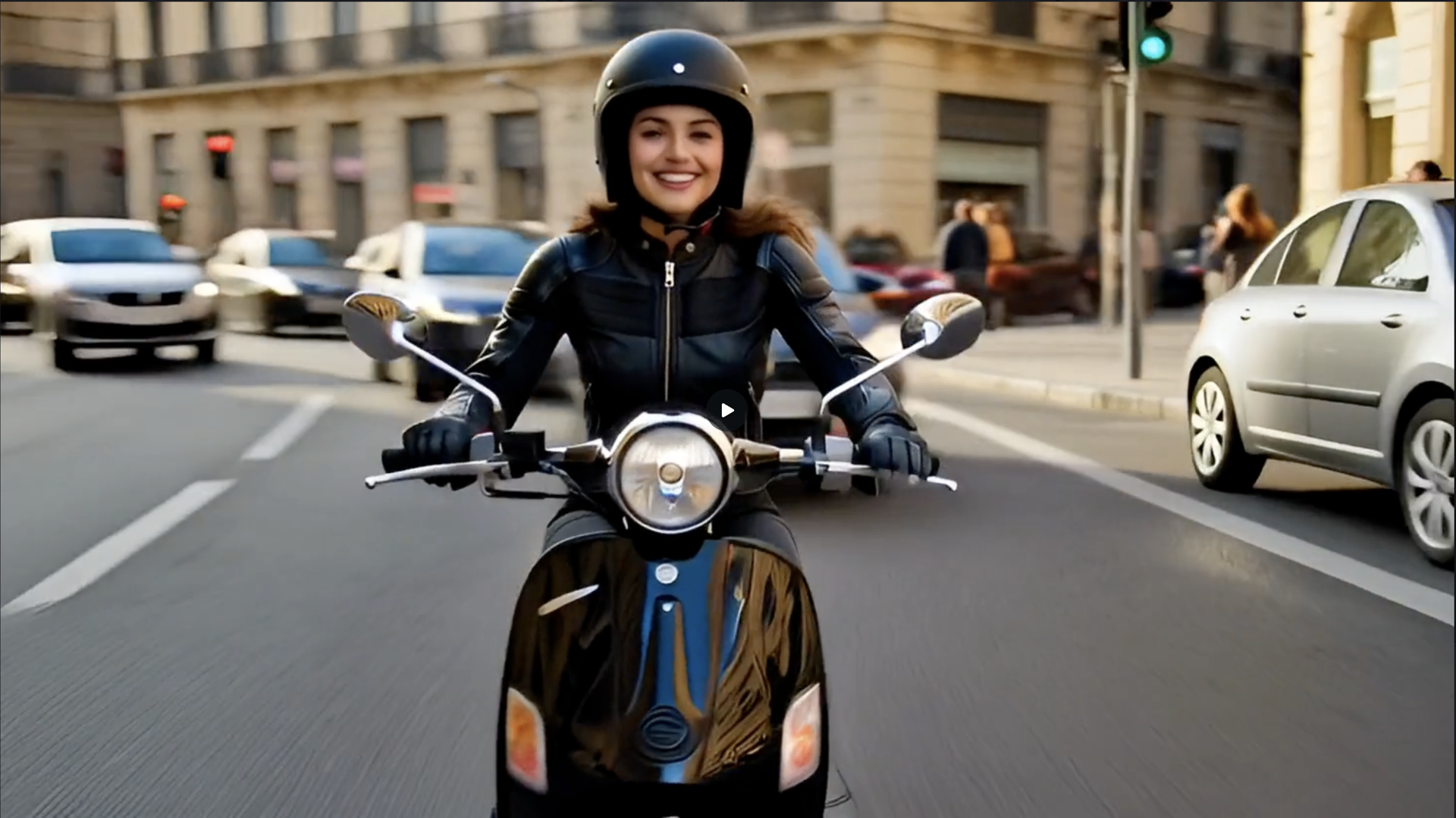
- Helmet: Choose a helmet that complies with international safety standards like ECE 22.05/22.06 or DOT/Snell, is the correct size, and has good ventilation. Ensure your visor is clean and scratch-free; carrying a spare visor or a Pinlock anti-fog system is vital for your vision.
- Jacket and Pants: Opt for clothing made from abrasion and impact-resistant materials (such as Cordura, leather) with CE-approved shoulder, elbow, back, and knee protectors. Consider models with ventilation, waterproof membranes, or thermal liners depending on weather conditions. Choose products with reflective details to increase your visibility at night.
- Gloves: Invest in models that protect your hands from impact and abrasion, cover your wrists, provide airflow, or protect from the cold. It might be wise to carry multiple pairs of gloves suitable for different seasons (summer, winter, waterproof).
- Boots: Use certified boots that protect your ankles, have non-slip soles, and are suitable for motorcycle riding. Waterproofing provides great comfort during long rainy rides.
- Basic Repair Kit and First Aid Kit: A tire repair kit (patch and pump), basic tools (multi-purpose wrench, screwdriver set), electrical tape, and other materials to fix minor breakdowns, along with a small first aid kit (painkillers, antiseptic, bandages, gauze, etc.), should always be with you.
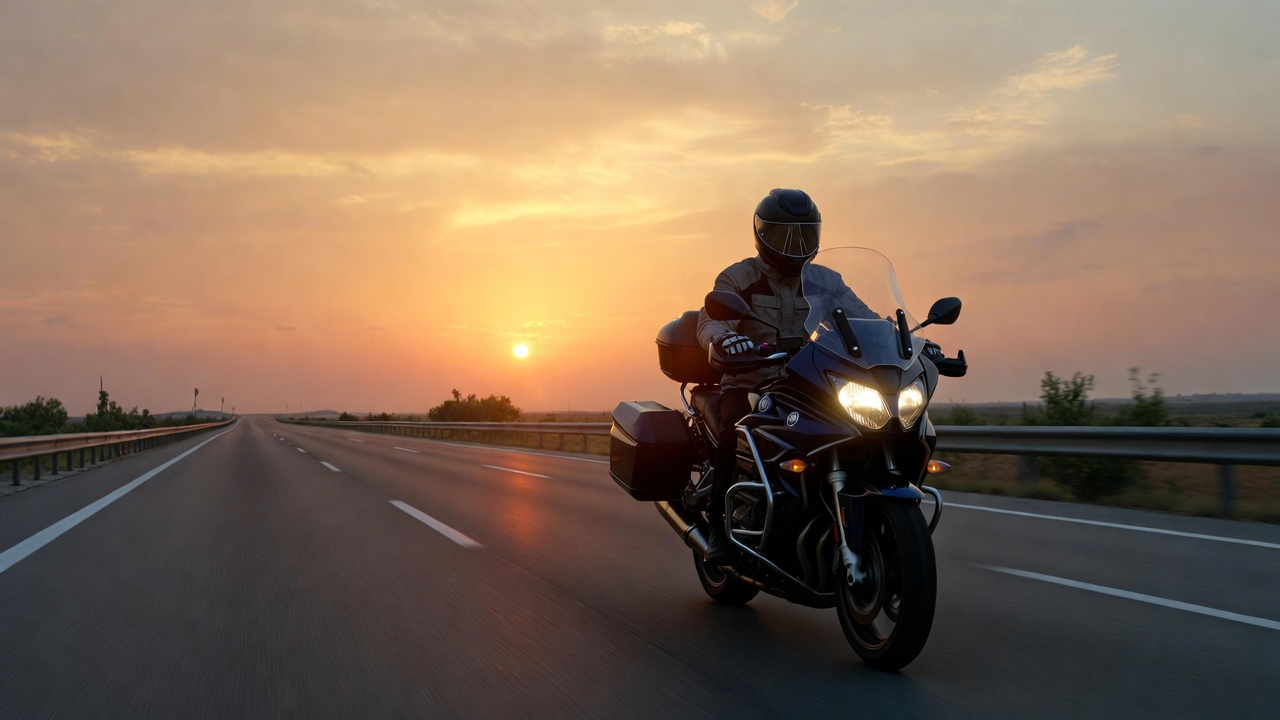
- Luggage Solutions: Use saddlebags, a top case, or tank bags to secure your belongings to your motorcycle safely, balanced, and with minimal aerodynamic impact. Pay attention to loading, as weight distribution directly affects the motorcycle's riding dynamics.
3. Break Discipline: The Most Effective Weapon Against Fatigue
On long journeys, fatigue and loss of concentration significantly increase the risk of accidents. Taking regular and conscious breaks is the most effective way to maintain your mental and physical freshness.
- How Often Should You Take a Break?: The generally accepted rule is to take a break of approximately 15-20 minutes every 1.5-2 hours. However, don't wait for this period if you feel tired.
- Break Activities: During your break, get off your motorcycle, walk around, and do some stretching exercises. Focusing on different objects away from the road reduces eye strain.
- Fluid Intake and Snacks: Drink plenty of water, especially in hot weather, to combat the risk of dehydration. Consume caffeine and sugary drinks in moderation. Keep light and nutritious snacks (nuts, fruit, energy bars) with you to maintain your energy levels.
- Motorcycle Check: Don't neglect quick checks during each break, such as visually inspecting tire pressure, chain lubrication (if applicable), and checking that lights and brakes are working.
- Signs of Fatigue: The moment you feel your eyelids getting heavy, the need to yawn, a drop in concentration, or that you're starting to make mistakes, pull over in a safe place and take a longer break. If necessary, take a short power nap.
4. Riding Techniques in Various Weather Conditions: Be Prepared
On long journeys, there's a high probability of encountering all kinds of weather conditions. Being prepared for these situations and applying the correct riding techniques is critically important for your safety.
4.1. Riding in the Rain:
- Reduce Speed and Increase Following Distance: Rain significantly reduces road grip. Lower your speed and increase the following distance from the vehicle in front.
- Smooth Movements: Make throttle, braking, and steering inputs much smoother and more controlled. Absolutely avoid sudden movements. Especially with the first raindrops, the mixture of oil and dust on the road creates a very slippery layer.
- Avoid Slippery Surfaces: White road markings, manhole covers, leaves, diesel spills, and metal surfaces become very slippery in the rain. Avoid riding over them as much as possible.
- Visibility: Use a Pinlock or open your ventilation channels to prevent your visor from fogging up. Always turn on your headlights and taillights to increase your visibility to other drivers.
- Puddles: Stay away from puddles whose depth you cannot estimate. There might be hidden potholes, slippery surfaces, or an obstacle under the water that could slow down your motorcycle.
4.2. Riding in Windy Weather:
- Body Position: Lean the motorcycle slightly into the wind to maintain balance. Hold the handlebars loosely but firmly; let your body relax to absorb the effects of the wind.
- Effect of Large Vehicles: Be prepared for sudden wind blast effects when passing large vehicles like trucks or buses, or when exiting tunnels. This can cause the motorcycle to be suddenly pushed sideways.
- Speed Control: Reducing your speed in strong winds helps you maintain control of the motorcycle and be more prepared for unexpected gusts.
- Bridges and Viaducts: These areas are generally more exposed to wind, and wind intensity can increase. Be extra careful.
4.3. Riding in Hot Weather:
- Hydration: Drink plenty of water at regular intervals to counter the risk of dehydration. Using a hydration pack (camelbak) can allow you to continuously take fluids while riding.
- Lightweight and Protective Equipment: Choose summer jackets, pants, and gloves that offer high protection while providing good ventilation. Never remove your protective gear despite the heat.
- Sun Protection: Use a neck gaiter or bandana to protect your neck and skin from sunburn. Thermal clothing can also provide a cooling effect in some situations.
- Break Frequency: Take more frequent breaks in high temperatures to allow your body temperature to drop. Make sure to rest in shaded areas.
- Tire Pressure: Hot weather can cause tire pressure to increase. Maintain pressure according to manufacturer recommendations and check it before your journey.
4.4. Riding in Cold Weather:
- Layered Clothing: Dress in layers to protect your body heat. Thermal base layers, fleece layers, and wind/waterproof outer layers are ideal. Maintaining body heat is important for the continuity of your reflexes and concentration.
- Heated Gear: Heated gloves, vests, or pants significantly increase comfort and safety during long winter rides. Cold hands and feet negatively affect riding performance.
- Tire Pressure: Cold weather can cause tire pressure to drop. Check your tire pressure before setting off and regularly throughout your journey, adjusting it according to manufacturer recommendations.
- Risk of Icing: Be very careful about the risk of black ice, especially in the early morning, in shaded areas, and on bridges and viaducts. These surfaces freeze more quickly, and black ice can be very difficult to spot.
5. Motorcycle Maintenance and Emergency Preparedness
Before embarking on a long journey, ensure your motorcycle has undergone full maintenance. Personally perform basic checks such as tire condition (tread depth, pressure), brake pads and fluid levels (oil, brake fluid, coolant), chain tension and lubrication, headlights, and turn signals, or have them done by a trusted specialist.
Additionally, inform your loved ones about your route and estimated arrival time. Ensure your roadside assistance and insurance information is up-to-date and easily accessible. Make sure your phone is fully charged and emergency numbers (police, ambulance, roadside assistance, close relatives) are saved.
Conclusion
Riding a motorcycle on long journeys is not just a mode of transportation but also a lifestyle and an expression of freedom. By following the steps outlined in this guide, you can make your journeys safer, more comfortable, and more enjoyable. Remember that being a prepared and conscious rider is the most important factor for both your own safety and the safety of everyone else on the road. May your wheels roll true; we wish you pleasant and safe rides!