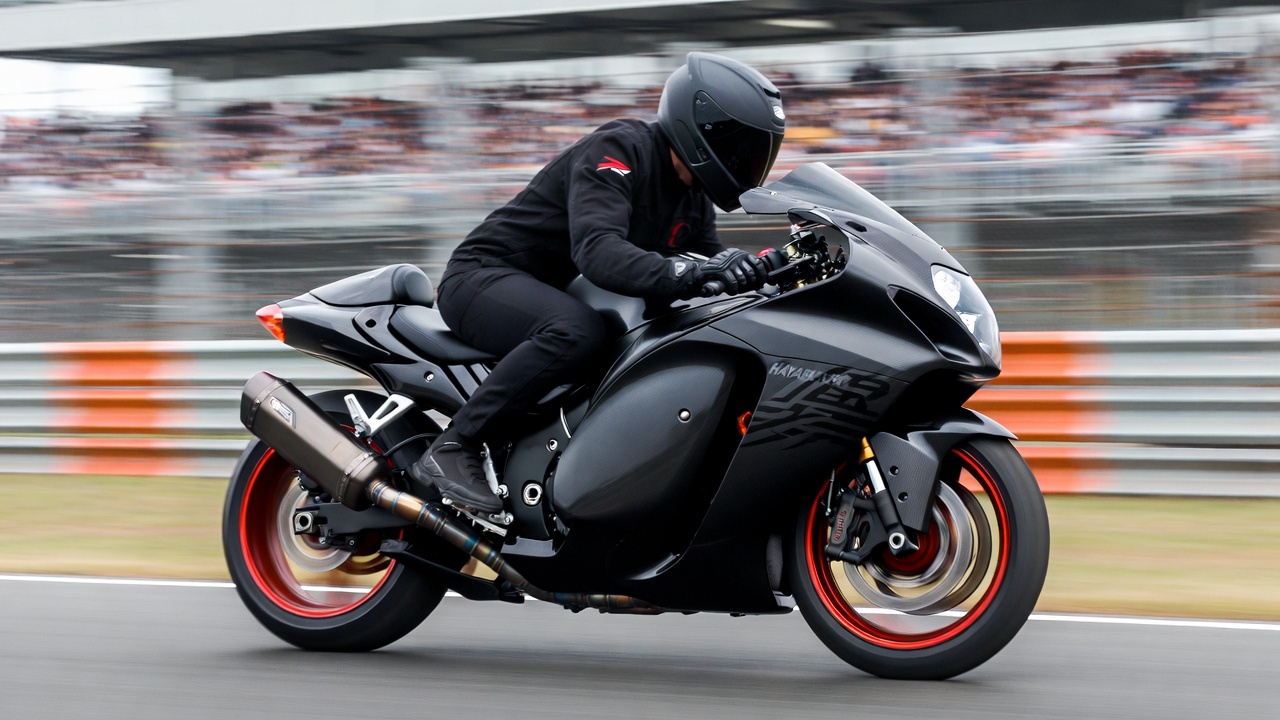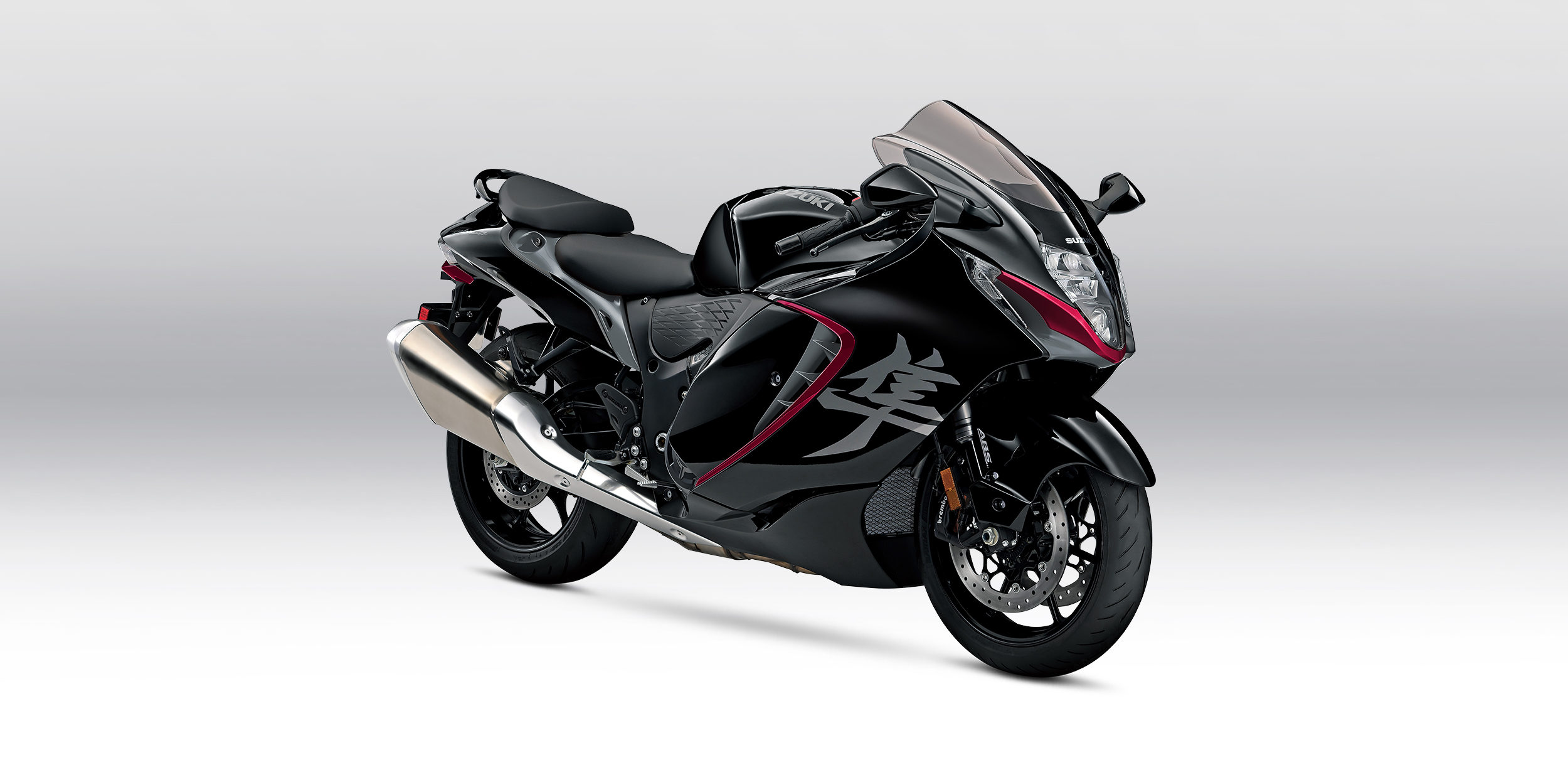
Dear motorcycle enthusiasts and speed freaks, today we will examine more than just a motorcycle; a true engineering marvel and the embodiment of speed: the Suzuki Hayabusa GSX-R 1300. Named after the 'Peregrine Falcon', this legendary machine has left a deep mark on the motorcycle world since its release. Let's embark on this fascinating journey of the Hayabusa, blending speed, aerodynamics, and technology.
The Birth of the Hayabusa: Why Did It Become a Legend?
When the Suzuki Hayabusa was launched in 1999, it was a model that literally shook the motorcycle world. Its goal was simple yet ambitious: to be the fastest production motorcycle in the world. It not only achieved this goal but also created its own class, becoming the uncrowned king of the hyperbike segment. With its unrivaled performance, unique design, and high engineering quality, it quickly became an icon.
The Heart of Power: Engine Technical Details
The most important element underlying the Hayabusa's legendary speed is, of course, its powerful engine. Constantly developed over three main generations, this engine has always been at the top of its class.
First Generation (1999-2007): A Boundary-Pushing Beginning
- Engine Displacement: 1299 cc, liquid-cooled, DOHC, 4-stroke, inline 4-cylinder.
- Maximum Power: Approximately 175 horsepower (129 kW) and impressive torque figures.
- Features: Suzuki's proprietary dual throttle valve system (SDTV) and direct air intake (RAM-AIR) system are designed to maximize power at high speeds. This generation went down in history for its incredible top speed of 312 km/h at the time.
Second Generation (2008-2020): Evolution and More Power
Introduced in 2008, the second generation came with significant improvements on both the engine and chassis sides.
- Engine Displacement: Increased to 1340 cc.
- Maximum Power: Further increased to approximately 197 horsepower (147 kW).
- Features: Engine compression ratio was increased, valves and fuel injection system were renewed. One of the most notable innovations was the Suzuki Drive Mode Selector (S-DMS) system, which allowed the rider to choose between three different engine maps. This generation became one of the first Hayabusa generations whose top speed was electronically limited to 299 km/h after the 'gentleman's agreement'.
Third Generation (2021 and Beyond): Smart Power and Innovation
Introduced in 2021, the latest Hayabusa complied with Euro 5 emission standards without sacrificing performance, instead offering a more refined and intelligent riding experience.
- Engine Displacement: Still 1340 cc, but significant internal revisions were made.
- Maximum Power: Approximately 188 horsepower (140 kW). Although it may seem slightly lower on paper, the increased torque at lower RPMs and Euro 5 compliance offer a much more efficient and user-friendly ride.
- Electronic Aids (SIRS): The biggest innovation was the comprehensive electronic suite called Suzuki Intelligent Ride System (SIRS). This system incorporates many modern features such as riding modes, traction control, anti-lift control, engine brake control, launch control, bi-directional quick shifter, and cruise control. Precise throttle control is provided with the ride-by-wire throttle.
Wind-Cutting Design: The Science of Aerodynamics
The Hayabusa's iconic design is not just aesthetic; it is entirely functional. Every curve, every angle is the result of hours of wind tunnel testing. Designed to mimic the aerodynamic structure of the 'Peregrine Falcon', this bodywork is optimized to provide maximum stability and minimum drag at high speeds.
- Low Drag Coefficient: Despite its aggressive and muscular appearance, the Hayabusa's bodywork has an extremely low drag coefficient. This helps the motorcycle stay on the road and reduces rider fatigue, especially at speeds above 200 km/h.
- Integrated Air Ducts: The large air intakes (RAM-AIR) at the front direct the air needed by the engine directly to the cylinders, increasing power at high speeds.
Chassis and Suspension: Stability at High Speed
To transmit such power to the road and keep it under control, a robust chassis and advanced suspension systems are vital.
- Chassis: The Hayabusa features a robust and lightweight twin-spar aluminum frame. This structure ensures the motorcycle's rigidity and roadholding, even at high speeds.
- Suspension: Fully adjustable inverted fork front suspension (KYB or Showa, depending on the generation) and linked-type monoshock rear suspension offer the rider excellent control and comfort in all road and riding conditions.
- Brakes: High-performance Tokico or, in the latest generation, Brembo Stylema radially mounted calipers provide the necessary braking power to safely stop this beast. ABS is offered as standard.
Electronic Aids: Keeping Power Under Control
Especially with the latest generation Hayabusa, electronics have become an integral part, allowing the rider to manage power more safely and effectively. Thanks to the Suzuki Intelligent Ride System (SIRS), riders can now personalize and optimize power with modern technologies such as different riding modes, traction control levels, wheelie control (anti-lift), and launch control. This makes the Hayabusa not just fast, but also a smart and user-friendly hyperbike.
The Legacy of Hayabusa: The Meeting Point of Speed and Technology
The Suzuki Hayabusa is not just a machine that leaves miles of asphalt behind; it is also the product of a vision that pushes the boundaries of motorcycle engineering. The perfect blend of speed, aerodynamics, and advanced technology, the GSX-R 1300 will always hold a special place in the hearts of motorcycle enthusiasts. Renewing itself with each generation, but never losing its soul, the Hayabusa will continue to be an inspiration for those seeking speed and performance in the future. See you on our next journey, may your speed be abundant!