Hello motorcycle enthusiasts!
Today, we're taking you on a thrilling journey through the history of one of the motorcycle world's most iconic and breathtaking models: the Suzuki Hayabusa. Since its debut in 1999, the Hayabusa has become a symbol of speed, power, and aerodynamic perfection, consistently pushing boundaries and raising the technological bar with each new generation. Let's take a closer look at the technological evolution and groundbreaking innovations of this legendary bird, from its first flight to the modern 2026 model.
1st Generation: The New Definition of Speed (1999-2007)
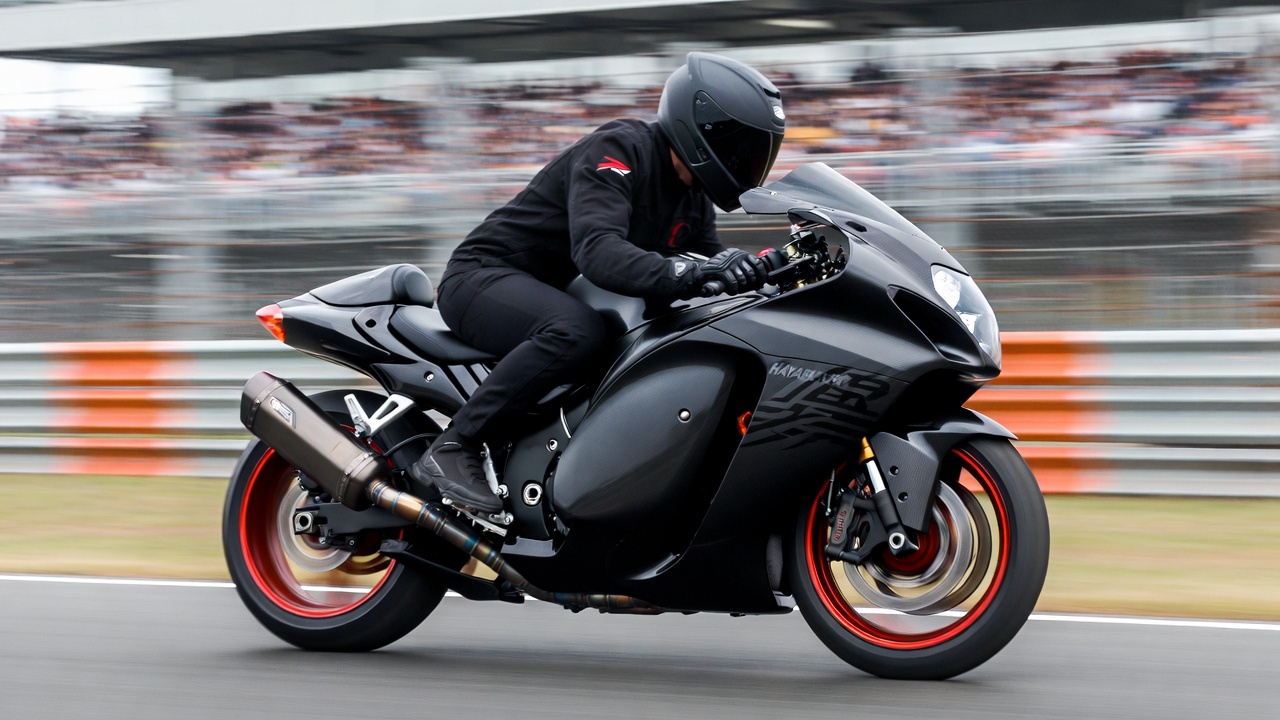
When it was launched in 1999, the Suzuki GSX1300R Hayabusa created an absolute shockwave. Holding the title of the world's fastest production motorcycle at the time, the Hayabusa left all authorities and rivals behind with its incredible speed, reaching up to 312 km/h (194 mph). The core technologies and innovations behind this success included:
- 1299cc Liquid-Cooled Four-Cylinder Engine: This powerful and torquey engine delivered a stunning 173 horsepower.
- RAM-Air System (SRAD - Suzuki Ram Air Direct): Directed air straight into the airbox, providing extra power at high speeds.
- Groundbreaking Aerodynamics: Designed much like a falcon, this unique bodywork was not only aesthetic but also offered exceptional high-speed stability with an extremely low drag coefficient (Cd 0.30). This design redefined the aesthetic language of the hyperbike category.
- High-Quality Suspension and Chassis: A robust chassis designed to keep speed under control, along with fully adjustable inverted forks, set new standards for road holding.
The Hayabusa's success led to a 'gentlemen's agreement' among motorcycle manufacturers, resulting in most motorcycles being electronically limited to 299 km/h (186 mph) from 2000 onwards. The Hayabusa not only broke speed records but also influenced an entire industry.
2nd Generation: Evolution and Refined Power (2008-2020)
Introduced in 2008, the second-generation Hayabusa inherited the legacy of the first generation while advancing it further with modern technologies. While retaining the core design language, many significant technical updates were made:
- Increased 1340cc Engine Displacement: A larger engine, higher compression ratio, and revised cylinder head design boosted power to 197 horsepower. Performance was maintained while complying with Euro emission standards.
- Suzuki Drive Mode Selector (SDMS): A first for the Hayabusa, this system allowed riders to choose between three different power modes, providing adaptation to various riding conditions. This was a revolutionary innovation in the hyperbike class at the time.
- Slipper Clutch: Prevented the rear wheel from locking up during aggressive downshifts, enhancing riding safety and comfort.
- Upgraded Braking System: Braking performance was significantly improved with Brembo monobloc calipers and larger discs.
- Improved Aerodynamics and Chassis: A more refined aerodynamic package and a revised chassis further enhanced high-speed stability and cornering performance.
The second generation proved that the Hayabusa was not just about raw speed but could also offer a refined riding experience.
3rd Generation: Pinnacle of Technology and Intelligent Power (2021-Present and 2026)
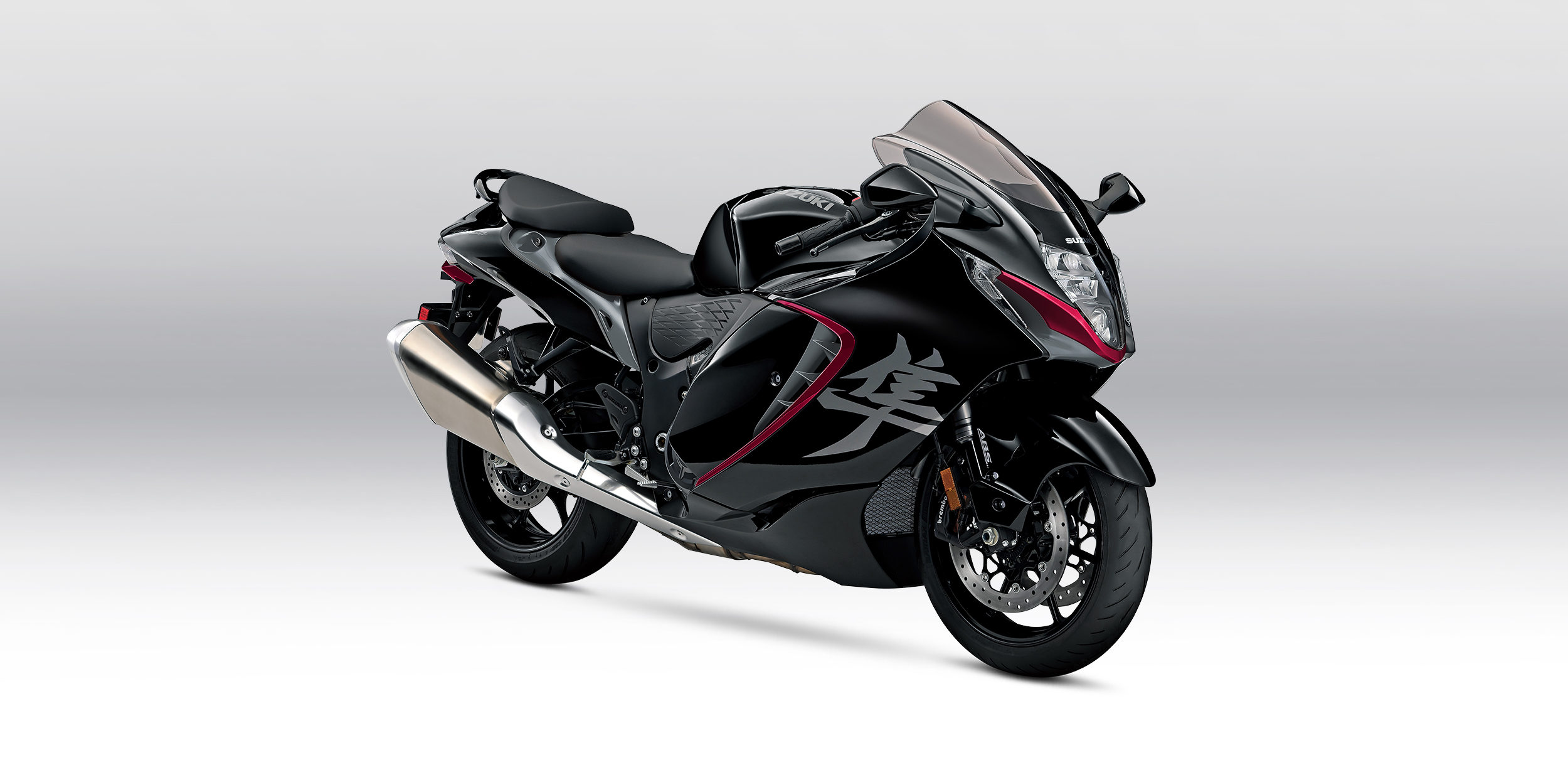
Introduced in 2021, the third-generation Hayabusa retained the fundamental DNA of the first two generations while undergoing a comprehensive revision in line with modern electronic systems and environmental standards. This generation transformed the Hayabusa into a masterpiece of the digital age.
- Euro 5 (and future Euro 6) Compliant Revamped 1340cc Engine: The engine block and internal components were largely overhauled to meet Euro 5 emission standards without sacrificing performance. Torque and power delivery were made more efficient, especially in the low and mid-range RPMs.
- Suzuki Intelligent Ride System (S.I.R.S.): This comprehensive electronic package, supported by an IMU (Inertial Measurement Unit), made riding both safer and more enjoyable:
- Motion Track Traction Control System (Motion Track TCS): Provides maximum traction in all road conditions with 10 different levels of adjustment.
- Anti-Lift Control System: Prevents the front wheel from lifting off the ground during acceleration.
- Engine Brake Control System: Adjusts the level of engine braking.
- Launch Control System: Designed for perfect starts in three different modes.
- Bi-directional Quick Shift System: Allows for clutchless upshifts and downshifts.
- Cornering ABS (Motion Track Brake System): Ensures safe braking even while cornering.
- Cruise Control System: Offers comfort on long journeys.
- Hill Hold Control System: Facilitates starting on inclines.
- Suzuki Drive Mode Selector Alpha (SDMS-α): Offers three pre-set factory modes and three user-configurable modes.
- Ride-by-Wire Throttle: Provides more precise throttle response and seamless integration with electronic systems.
- New TFT and Analog Instrument Cluster: A modern TFT screen blended with analog speed and tachometer gauges offers both a retro and futuristic look.
- Revised Chassis and Suspension: An optimized chassis to better manage speed and power, equipped with Showa suspension and Brembo Stylema® calipers.
The 2026 model will most likely be a continuation of this third-generation platform, perhaps featuring minor color updates, software improvements, or very specific small hardware enhancements. The comprehensive electronic package offered by Suzuki in this generation has made the Hayabusa not only fast but also an exceptionally intelligent and controllable machine.
Conclusion: The Legend Continues
Since its first launch in 1999, the Suzuki Hayabusa has transcended being just a motorcycle; it has become a marvel of technology, an engineering masterpiece, and a cultural icon. This journey, starting from speed records and extending to aerodynamic perfection and intelligent riding aids equipped with modern electronic systems, clearly demonstrates why the Hayabusa holds such a special place in the motorcycle world.
Each new generation of the Hayabusa showcases Suzuki's vision and innovation in motorcycle engineering. This unique blend of speed, power, and elegance seems destined to continue sweeping the roads like a wind in the future. Perhaps one day we'll see an electric Hayabusa, who knows? But for now, witnessing the thrilling performance this legendary hyperbike offers at every RPM is captivating enough.
See you in our next motorcycle blog post, ride safe!