Fundamentals of Motorcycle Maintenance: The Key to Safe and Enjoyable Riding
Dear motorcycle enthusiasts,
Few things are as enjoyable as heeding the call of the open road and feeling the wind in your hair. However, to fully and safely experience this freedom, it is essential to take good care of your motorcycle. Motorcycle maintenance is not just a necessity; it's also a critical step that enhances your riding pleasure and guarantees your safety.
Why Is Motorcycle Maintenance So Important?
A motorcycle is a complex machine consisting of hundreds of moving parts. Each of these parts is vital for your riding performance and safety. Regular motorcycle maintenance offers the following advantages:
- Safety: Detects malfunctions in advance, eliminating potential dangers.
- Performance: Ensures your engine always operates at peak efficiency.
- Extended Lifespan: Prolongs the overall life of parts and the engine, saving money in the long run.
- Economy: Resolving small issues before they escalate prevents costly repairs.
- Road Safety: Enhances the safety of both you and other people in traffic.
Introduction to Basic Maintenance Checks: Where to Start?
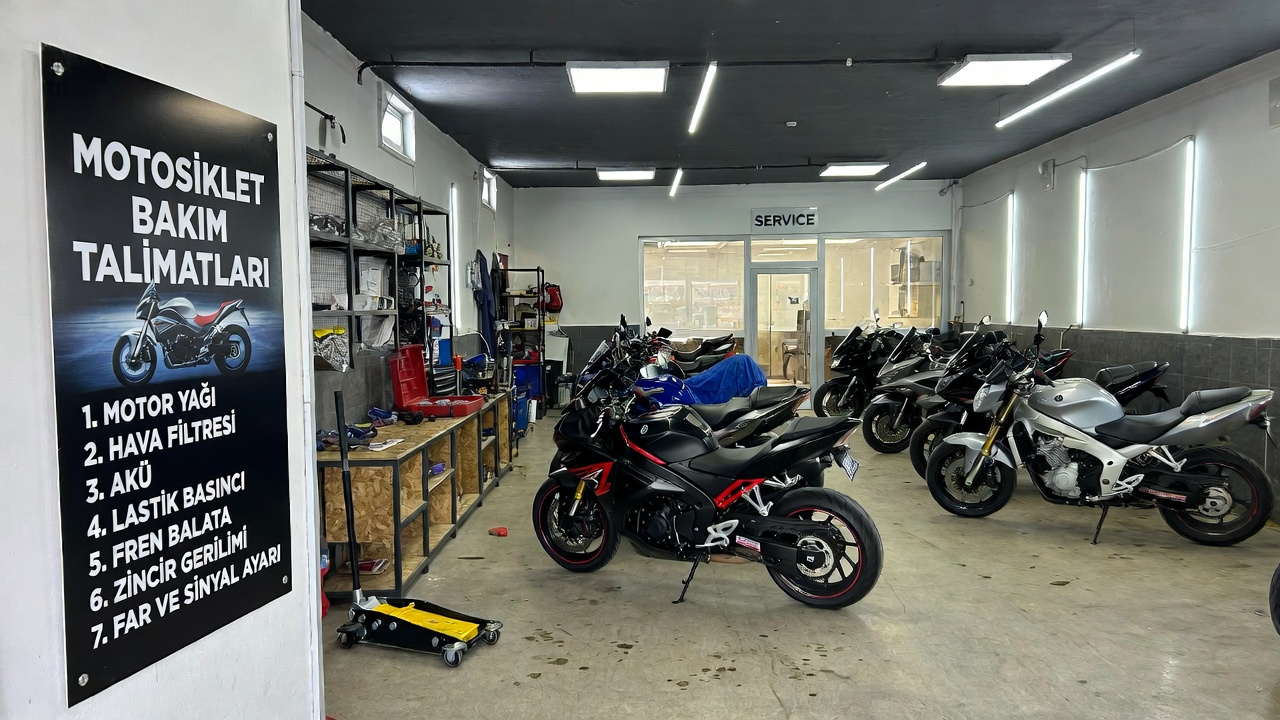
For those new to motorcycle maintenance or those who don't want to neglect their routine checks, there are simple yet effective starting points. While we will delve deeper into each topic in our upcoming articles, here's what you need to know to get started:
1. Tires: The Foundation of Road Grip
Tires are the only point of contact between your motorcycle and the road. Correct tire pressure and adequate tread depth are essential for safe riding. A visual inspection before each ride and a weekly pressure check will help you detect potential issues early.
2. Engine Oil: The Lifeblood of the Motorcycle
Engine oil lubricates, cools, and cleans the engine's moving parts. Regularly checking the oil level and performing oil changes at intervals specified by the manufacturer are critically important for your engine's health.
3. Brake System: The Key to Safe Stopping
Your brakes are your life insurance. Brake fluid level, pad thickness, and disc condition are elements that must be checked regularly. If you feel any abnormality, you should have it checked immediately.
4. Chain/Belt: Power Transfer to the Road
The chain or belt, which transfers power from your motorcycle's engine to the rear wheel, must be correctly tensioned and regularly lubricated. Chain maintenance and tension adjustment directly affect your performance.
5. Lighting and Electrical System: Visibility and Functionality
Ensure that all electrical components, such as headlights, turn signals, taillights, and the horn, are working properly. This ensures both your visibility and your communication with other drivers in traffic.
Benefits of Maintaining Your Own Motorcycle
Learning and applying basic motorcycle maintenance instructions doesn't just save you money. It also helps you get to know your motorcycle better, detect problems earlier, and increase your confidence on the road. Maintaining your own motorcycle is a unique experience that strengthens the bond between you and your bike.
Conclusion and Future Articles
Remember, a well-maintained motorcycle not only takes you further but also makes every ride safer and more enjoyable. This article served as an introduction to motorcycle maintenance. In our upcoming articles, we will cover each of the topics mentioned above in detail, explain how to do it step-by-step, and provide you with professional tips.
Stay on the road, ride safe!