Major Overhaul of Turkish Motorcycle Licensing System Expected in 2026
Significant changes are on the horizon for motorcycle enthusiasts in Turkey. By 2026, a new licensing system is expected to be implemented, bringing substantial modifications to the process of obtaining a motorcycle license, the classification of licenses, and the conditions governing motorcycle operation. These regulations, driven by alignment with European Union (EU) legislation, will directly affect all motorcycle riders in Turkey.
Refined License Categories: A More Granular Approach
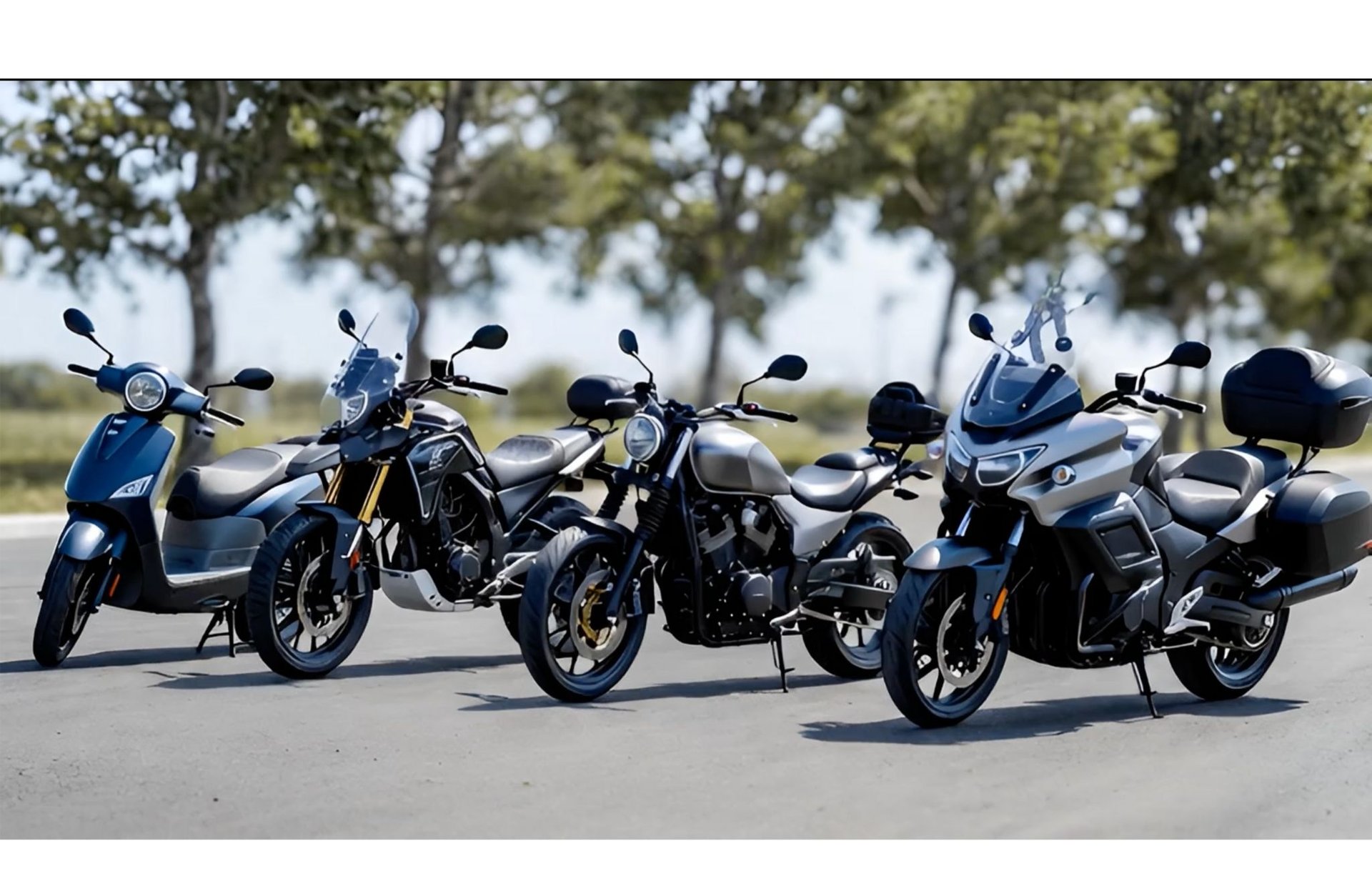
One of the most significant alterations will be the introduction of more detailed license categories. The current A1, A2, and A license classes are set to be replaced by new classifications based on the motorcycle's engine power and weight. The goal is to enable riders to operate motorcycles more suited to their skill level and experience, thereby enhancing overall safety. While the official details are yet to be formally announced, industry insiders suggest the following potential structure:
- AM Class: For mopeds and scooters with an engine displacement not exceeding 50cc.
- A1 Class (Updated): For motorcycles with an engine displacement not exceeding 125cc and a maximum power output of 11 kW (similar to the existing A1).
- A2 Class (Updated): For motorcycles with a maximum power output of 35 kW (similar to the existing A2). However, the transition to an A2 license may be streamlined for individuals holding an A1 license with a specified period of riding experience.
- A Class (New Subcategories): This is where the most substantial changes are anticipated. The A class could be divided into subcategories based on the motorcycle's power output. For instance:
- A Class (Limited): For motorcycles with a power output not exceeding a certain threshold (e.g., 50 kW). This class could be ideal for riders seeking to gain experience before transitioning to larger, more powerful motorcycles.
- A Class (Full): For all motorcycles, with no power restrictions.
Innovations in the Examination Process
Significant changes are also expected in the licensing examination process. The theoretical exams are planned to be updated to cover more current and motorcycle-specific topics. The practical exams are expected to become more detailed and reflective of real-world riding conditions. Furthermore, the mandatory inclusion of advanced riding techniques training is under consideration. These measures aim to ensure that new riders are more informed and better prepared for safe motorcycle operation.
Impact on the Turkish Motorcycle Market
These regulatory changes are poised to significantly impact the Turkish motorcycle market. In particular, demand for motorcycle models compliant with the new license categories is expected to increase. Manufacturers will need to adapt to these new regulations by offering a more diverse range of motorcycles in different power and weight categories. Furthermore, compliance with the license classifications will become a crucial factor in the second-hand motorcycle market.
What Should Motorcycle Riders Do?
As the 2026 implementation date approaches, Turkish motorcycle riders should stay informed about the specific details of the new regulations. This includes understanding the requirements for each license class, the updated testing procedures, and any potential implications for their current motorcycles. Monitoring official announcements from the relevant Turkish authorities will be crucial to ensuring a smooth transition to the new licensing system. Furthermore, riders should consider taking advantage of advanced riding courses to enhance their skills and safety on the road, regardless of the impending regulatory changes. The changes aim to improve road safety and rider competency, so embracing opportunities for training and education will be beneficial for all involved.