Kawasaki's 2026 Vision: Sustainability Meets Performance
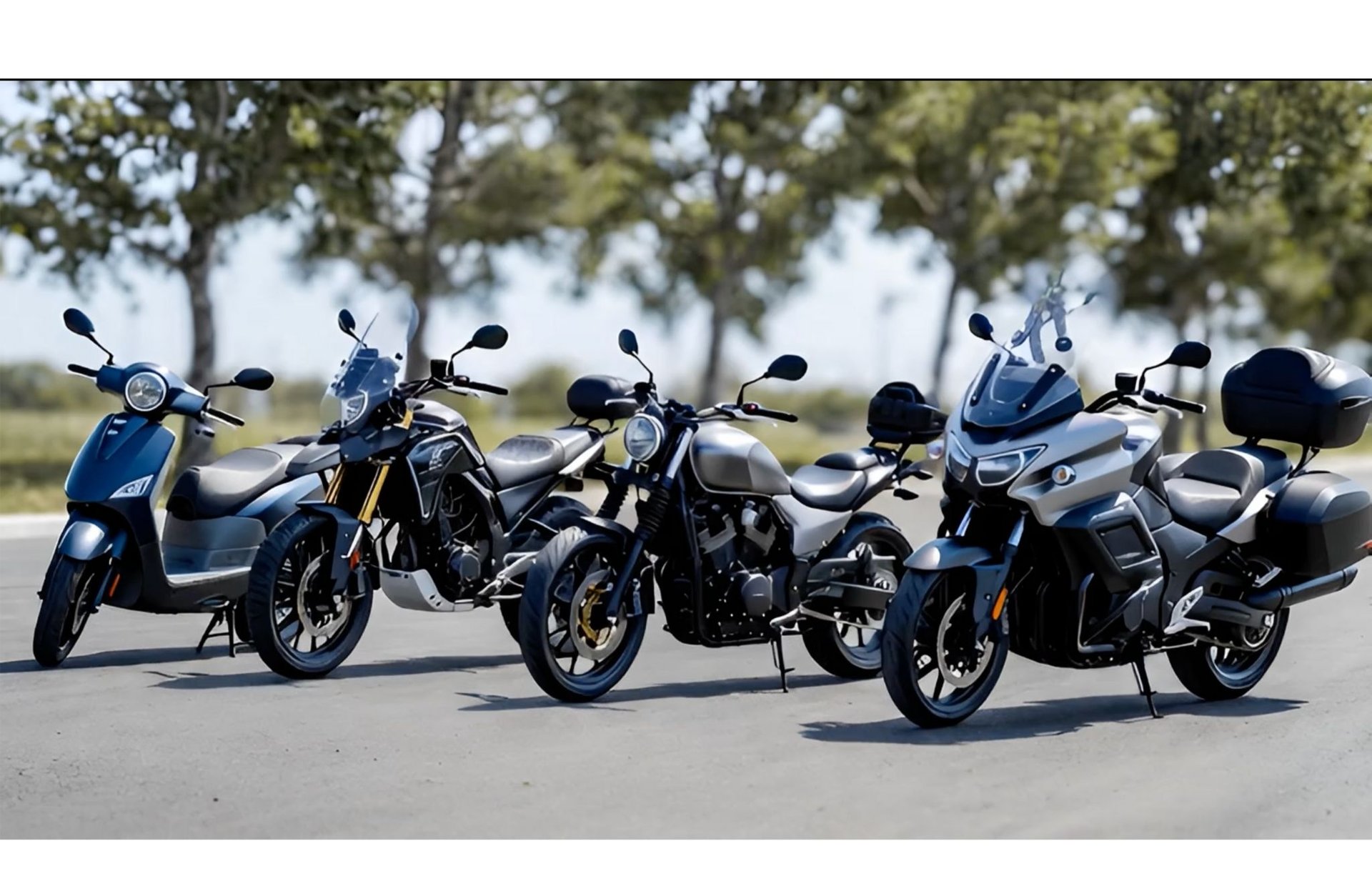
Kawasaki is proactively adapting to the evolving landscape of the motorcycle industry, announcing a comprehensive plan for 2026. This strategy focuses on substantial investment in both electric and hybrid technologies, while simultaneously enhancing its range of iconic internal combustion engine (ICE) models. Kawasaki's dual approach aims to satisfy diverse rider needs and meet varying market expectations worldwide.
Electric Kawasaki Models: Envisioning the Future of Urban Mobility
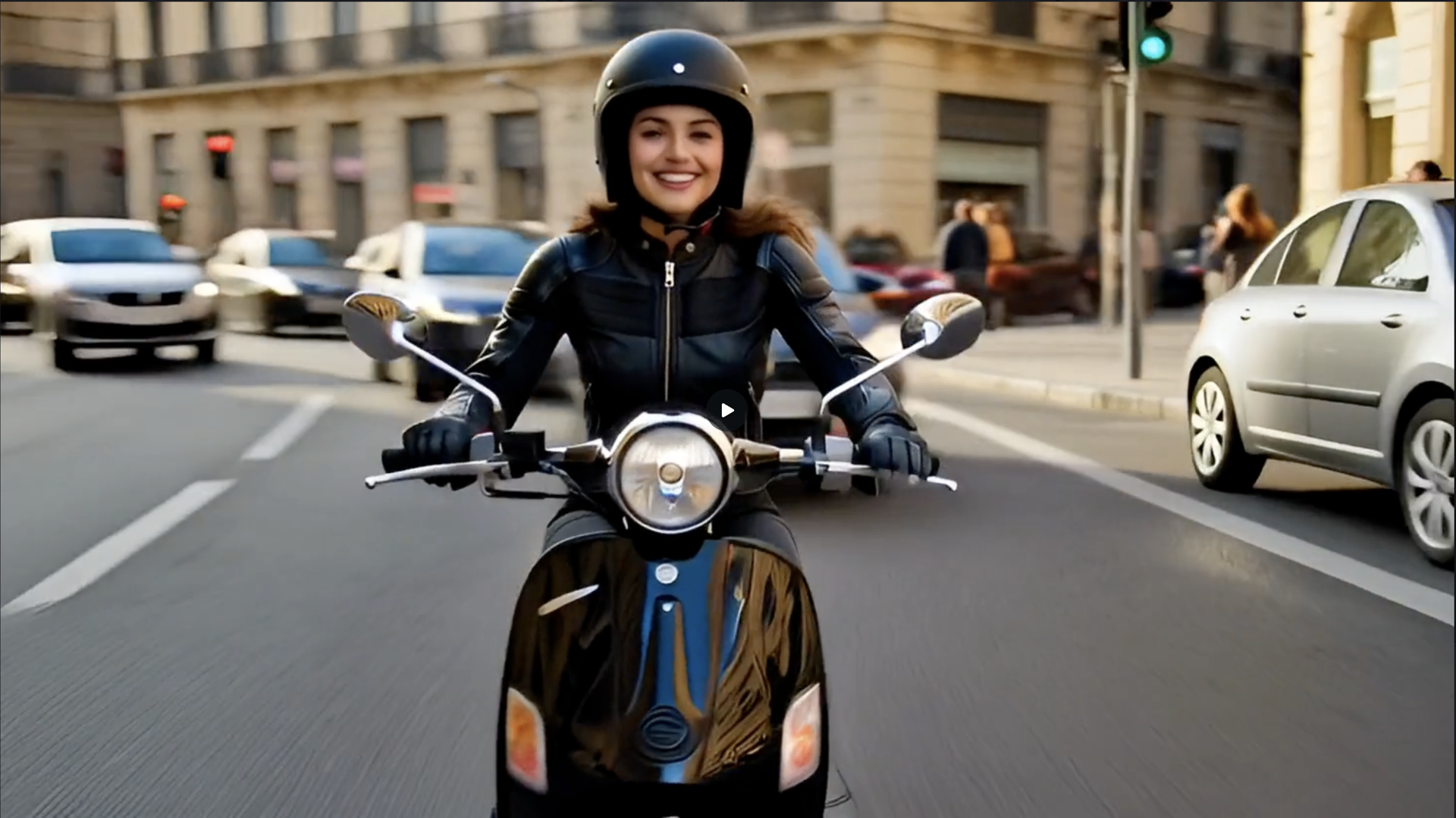
Kawasaki's foray into the electric motorcycle segment will prioritize environmentally friendly and practical models specifically designed for urban commuting. The electric models, expected to launch starting in 2026, will reportedly feature lightweight and compact designs, user-friendly operation, and a zero-emission riding experience. These attributes position them for significant interest, particularly in European and Asian markets known for their dense urban environments and increasing emphasis on sustainable transportation.
While specific technical details remain under wraps, it is anticipated that Kawasaki's electric motorcycles will incorporate cutting-edge battery technology and feature rapid charging capabilities. Furthermore, expect integration with smartphone connectivity, selectable riding modes, and advanced safety systems to enhance the overall riding experience.
Hybrid Kawasaki Models: Balancing Performance and Efficiency
Kawasaki aims to seamlessly blend performance and efficiency through hybrid technology. The hybrid motorcycles, slated for unveiling in 2026, will offer the benefits of electric motors – quiet operation and zero emissions – while retaining the power and extended range of internal combustion engines. This allows riders to enjoy emission-free commuting in urban areas and address range anxiety during longer journeys.
The hybrid models are projected to appear in the touring and adventure segments. There is also speculation about a hybrid Ninja model. Features expected in these models include advanced rider assistance systems, adjustable suspension, and comfortable ergonomics tailored for long-distance riding.
Traditional Combustion Engine Models: Power and Passion Endure
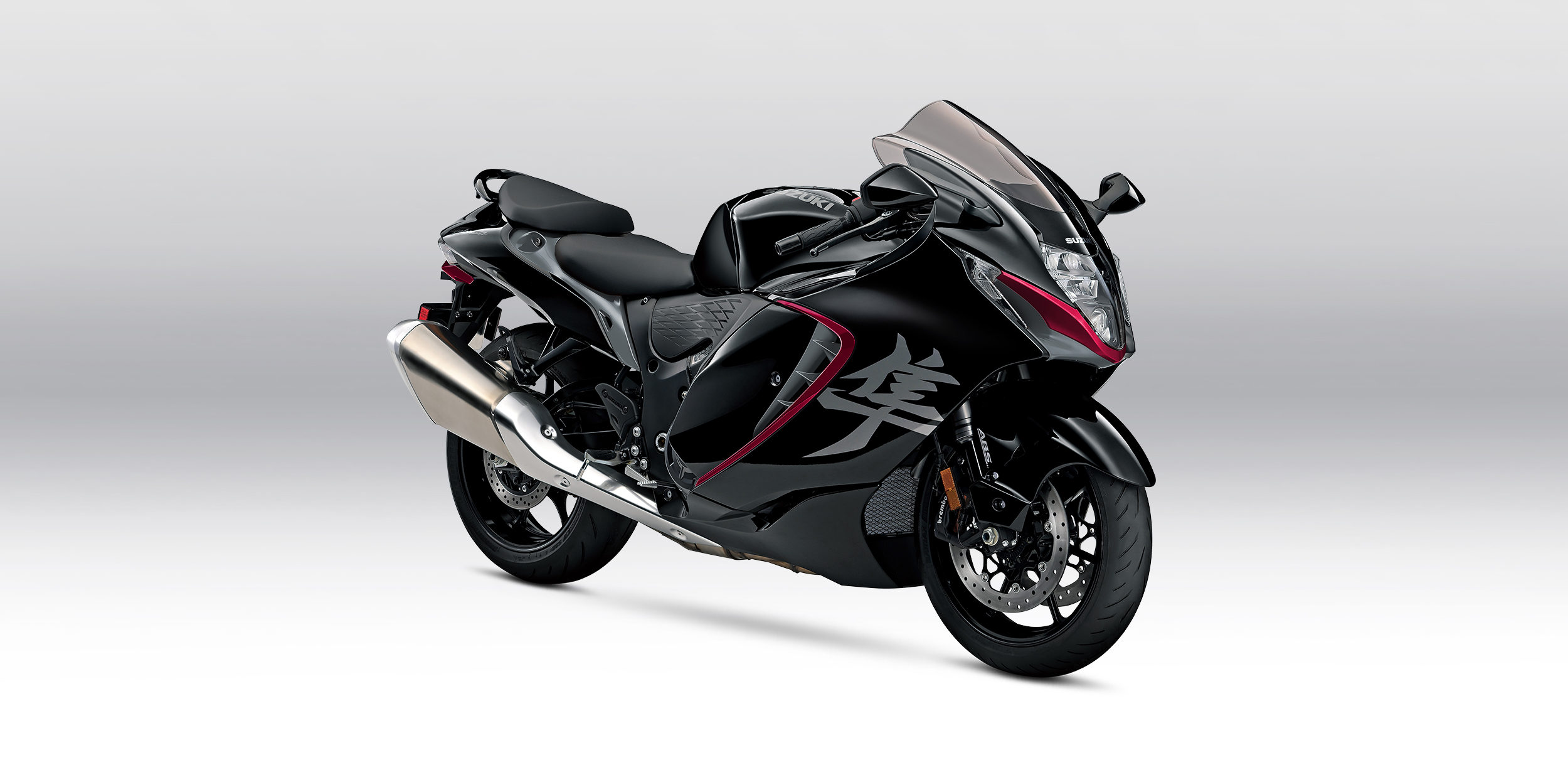
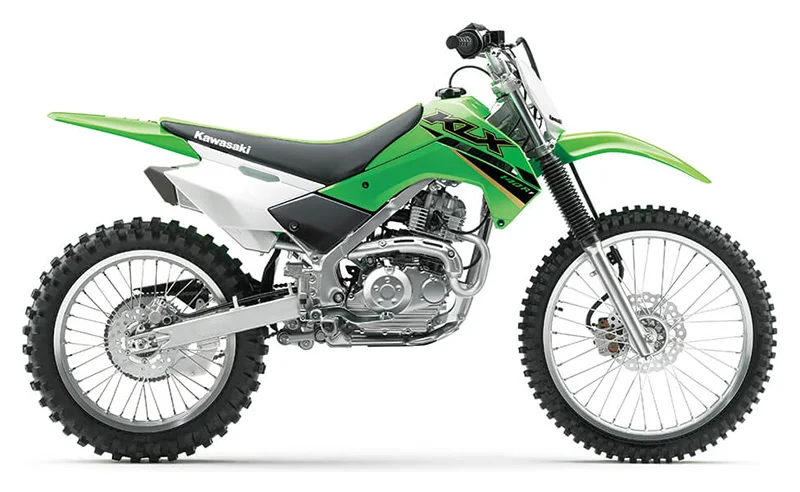
While investing heavily in electric and hybrid models, Kawasaki remains committed to its heritage of powerful internal combustion engine motorcycles. New iterations of iconic models, such as the Ninja series, the Z series, and the Vulcan series, are expected in 2026. These models will focus on improved engine performance, enhanced fuel efficiency, and the integration of next-generation electronic systems.
Enthusiasts eagerly await a new version of the Ninja H2 series. It is widely speculated that Kawasaki is further refining its supercharged engine technology, promising an even more potent and efficient powerplant.
What Does This Mean for the Global Market?
Kawasaki's 2026 vision presents significant opportunities for motorcycle markets worldwide. The introduction of electric models caters to the growing demand for sustainable transportation options, particularly in urban centers. Hybrid models bridge the gap between electric and traditional motorcycles, offering a versatile solution for riders seeking both efficiency and performance. The continued development of internal combustion engine models ensures that Kawasaki continues to cater to riders who prioritize power and a traditional riding experience.
The success of Kawasaki's strategy will depend on factors such as battery technology advancements, charging infrastructure development, and consumer acceptance of electric and hybrid motorcycles. However, Kawasaki's commitment to innovation and its strong brand reputation position it well to navigate the changing landscape of the motorcycle industry and appeal to a global audience.