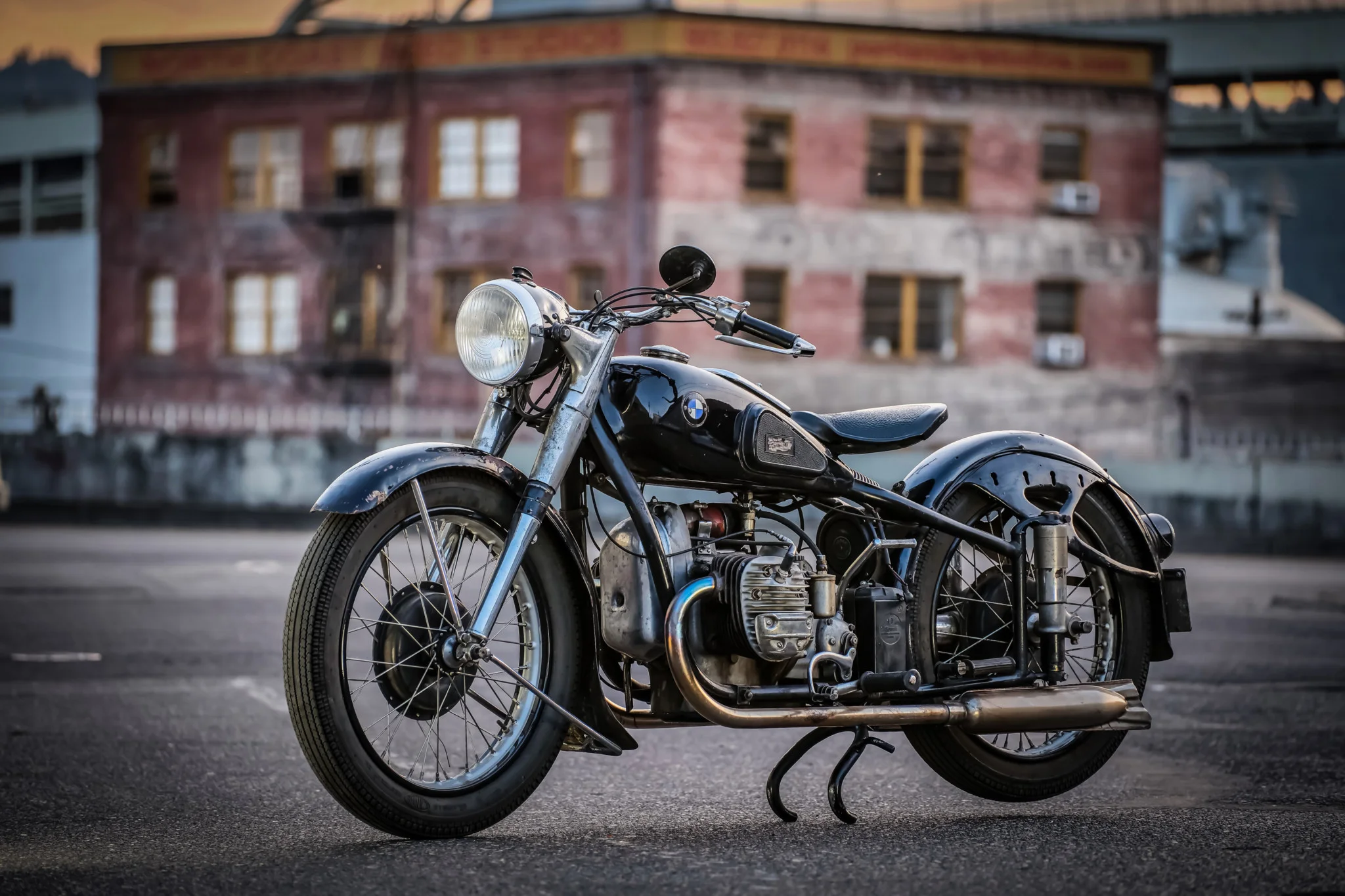
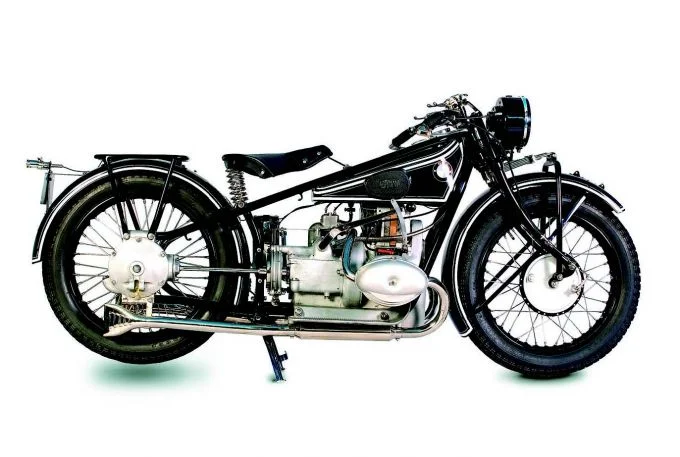
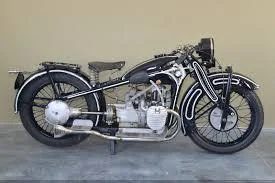
The BMW 16 from 1930 provides a glimpse into the nascent stages of BMW's motorcycle production. Its 736cc engine, while lacking a specified horsepower figure, propelled the motorcycle to a top speed of 74.6 mph. This suggests an engine focused on dependable torque and manageable power delivery, crucial for navigating the road conditions prevalent at the time. The engine's characteristics would have prioritized reliability and ease of use over outright performance.
The ergonomics of the 1930 BMW 16 would have been geared towards practicality and comfort. The riding position would have been upright, promoting all-day comfort. The front suspension, utilizing a plate spring, provided basic damping for the rudimentary road surfaces. Expanding brakes (drum brakes) represented the standard braking technology of the era, requiring a degree of anticipation and finesse from the rider.
Designed for riders seeking a dependable and straightforward mode of transportation, the 1930 BMW 16 emphasized reliability and ease of maintenance. Its simple design and robust construction would have appealed to those prioritizing functionality over sporting performance. While not a high-performance machine by modern standards, the BMW 16 played a crucial role in establishing BMW's presence in the early motorcycle market.

No comments yet. Be the first to write one!