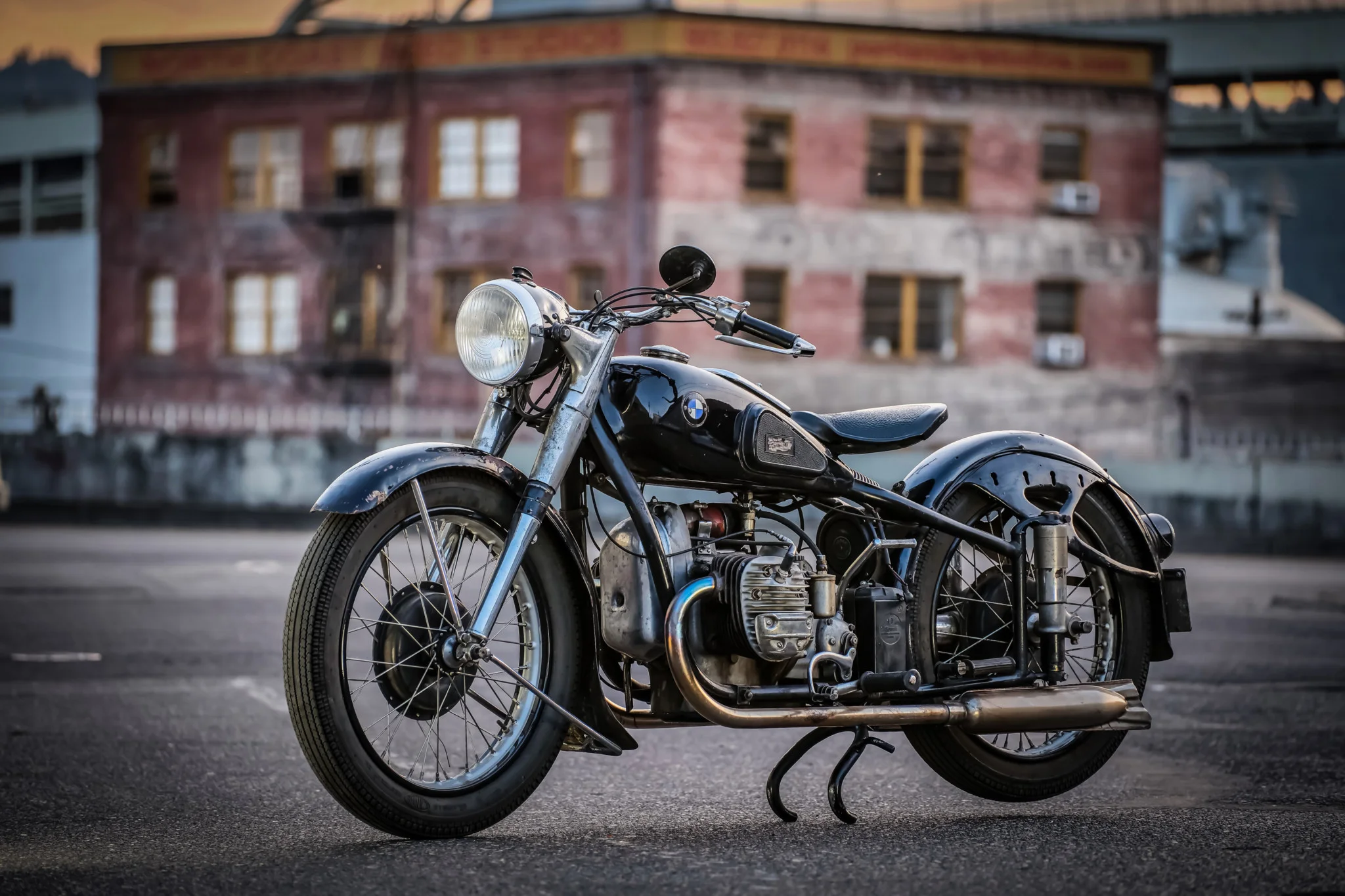
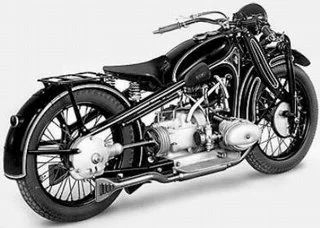
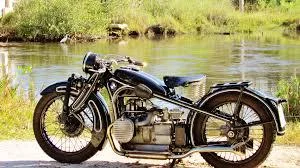
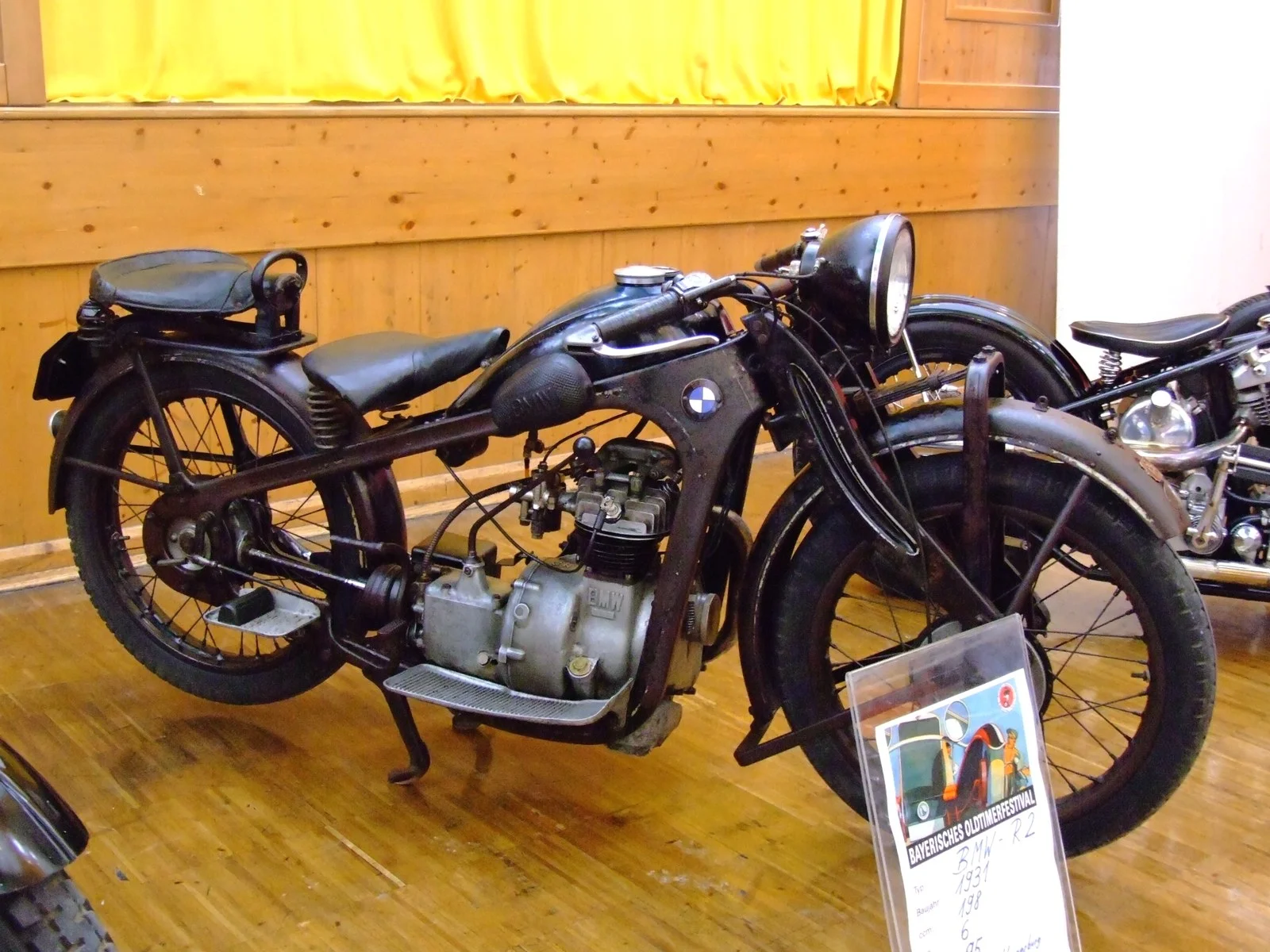
The BMW 16 from 1932 represents a fascinating glimpse into motorcycle engineering of the era. Its 736cc single-cylinder engine produced a modest 25 horsepower at 4000 RPM, enabling a top speed of 74.6 mph. This would have been considered a respectable figure for the time, suitable for both daily transportation and longer journeys. The engine's power delivery would likely have been characterized by a steady, reliable pull, reflecting the engineering priorities of the early 1930s.
The ergonomics of the BMW 16 would have been distinctly different from modern motorcycles. The riding position would have been upright and commanding, with a focus on comfort over outright sportiness. The suspension, featuring a plate spring at the front, would have provided a rudimentary level of cushioning, while expanding (drum) brakes offered the available stopping power. A 14-liter fuel tank provided reasonable range for the period.
The BMW 16 was likely targeted at riders seeking a dependable and practical motorcycle for everyday use and occasional touring. Its simple design and robust construction would have appealed to those prioritizing reliability and ease of maintenance. While not a high-performance machine by today's standards, the BMW 16 represents a significant milestone in BMW's motorcycle history.

No comments yet. Be the first to write one!