✦ publish
BMW R 20
1937

1937
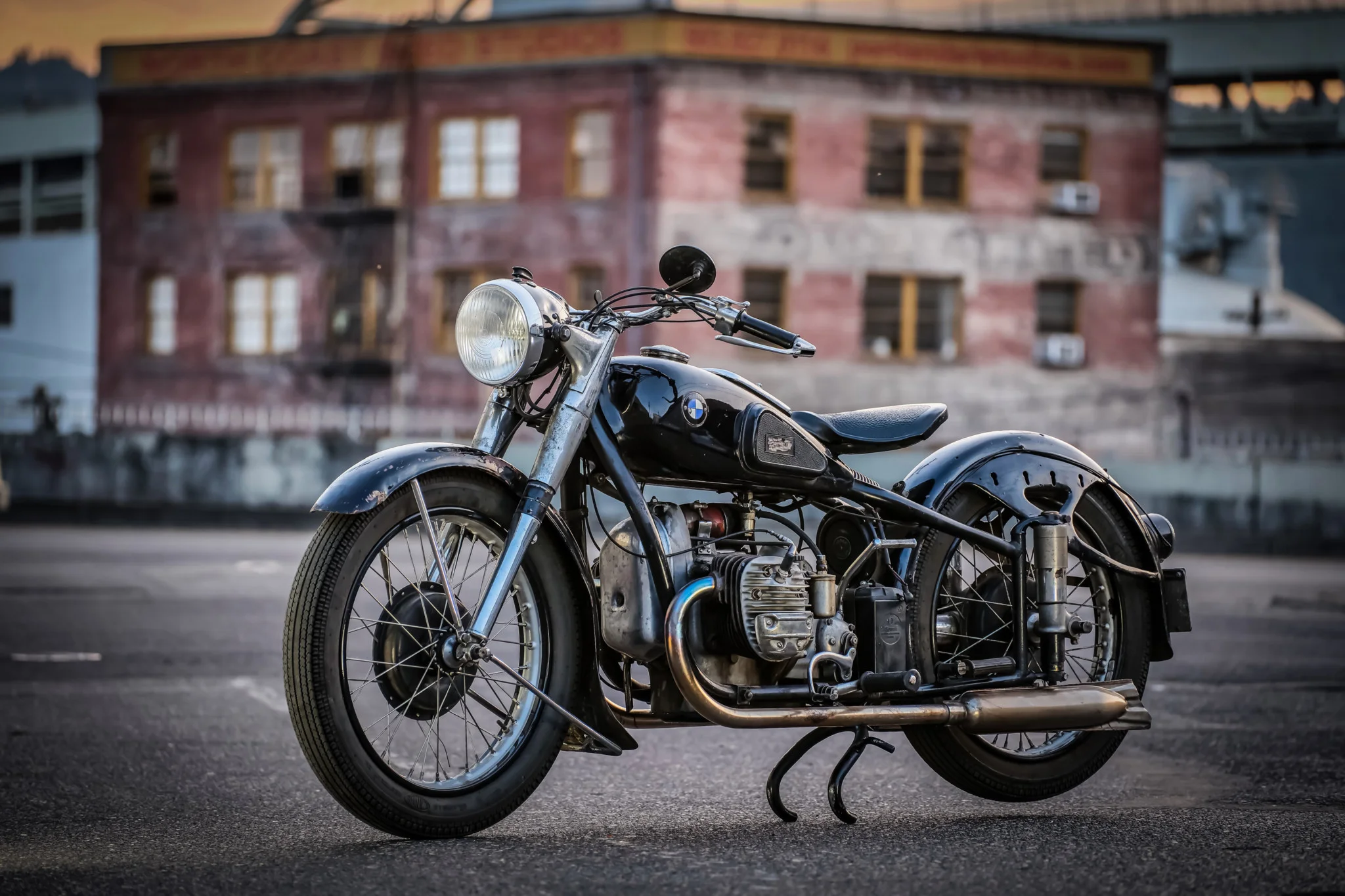
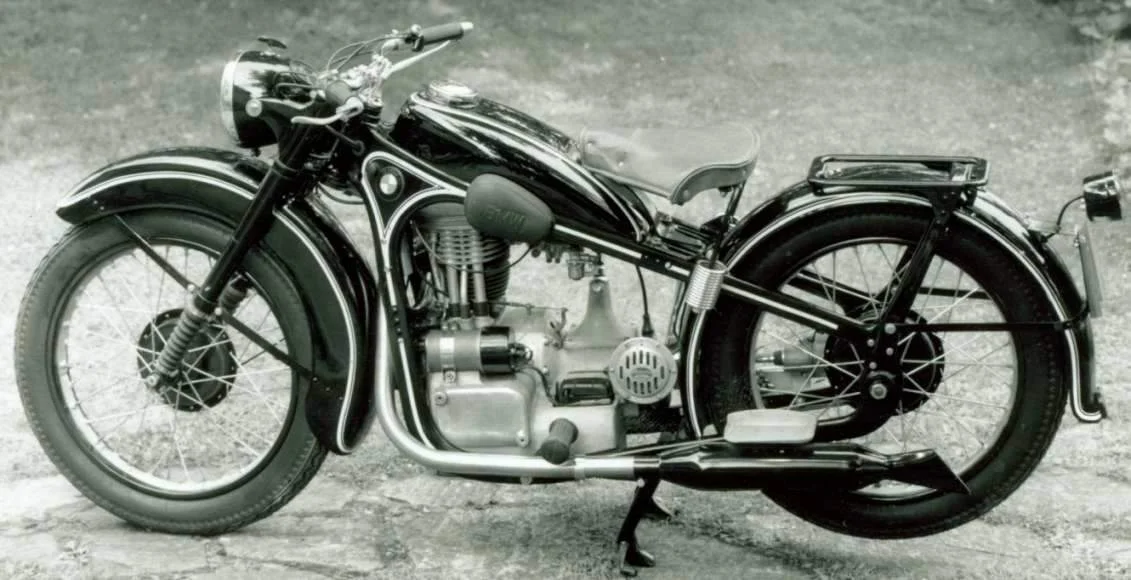
The 1937 BMW R 20 represents a significant entry into the pre-war lightweight motorcycle market, offering a more accessible option alongside its larger, more powerful siblings like the R 35. This single-cylinder machine was designed to be a practical and economical choice for everyday transport, appealing to a broader demographic than BMW's premium boxer twins. In its era, the R 20 found itself competing directly with other popular lightweights such as the DKW RT 100, which also emphasized affordability and ease of use for the average rider.
At its heart, the R 20 was powered by a modest 192.0 ccm (11.72 cubic inches) single-cylinder, four-stroke engine. This unit produced a respectable 8.0 HP (5.9 kW) at 5400 RPM, allowing the motorcycle to achieve a top speed of 95.0 km/h (59.0 mph). While not built for outright speed, this performance was more than adequate for the roads and traffic conditions of the late 1930s. Fuel capacity stood at 12.00 litres (3.17 US gallons), providing a decent range for daily commutes and weekend excursions, underscoring its practical design.
Riding the R 20 would have been characterized by its straightforward mechanics and comfortable, upright stance. Its lightweight construction contributed to agile handling, making it manageable for new riders and navigating crowded urban environments. The suspension, likely featuring a girder fork up front and a rigid rear, would have offered a direct feel for the road, typical of the period. Its low power output meant a predictable power delivery, while the single-cylinder thrum would have been a constant companion on any journey.
The BMW R 20 was primarily aimed at the budget-conscious commuter and the burgeoning ranks of motorcycle enthusiasts seeking an entry-level BMW. It offered the reliability and engineering reputation of the brand in a more approachable package. For those seeking dependable personal transport without the expense or complexity of larger machines, the R 20 was a compelling option. Its legacy lies in providing an accessible gateway to motorcycling during a pivotal period in automotive history, proving that even a smaller engine could deliver practical utility and a satisfying ride.
✅ Why buy this bike?
• Extremely lightweight and agile, making it easy to maneuver in urban environments and tight spaces. • Remarkably fuel-efficient for its era, offering economical transportation for everyday use. • Simple, robust single-cylinder design translates to excellent reliability and ease of maintenance. • Shaft drive system provides clean, low-maintenance power delivery compared to chain-driven bikes. • Classic BMW styling and heritage make it a highly desirable collector's item with enduring appeal.⚠️ Things to consider
• Limited power output of 8 hp struggles with modern traffic speeds and significant inclines. • Basic suspension and braking technology offer minimal comfort and stopping power by today's standards. • Lack of passenger accommodation makes it strictly a solo rider's machine, limiting practicality. • Parts availability can be challenging and expensive due to its age and rarity. • Top speed of around 60 mph restricts its use to lower-speed roads and short journeys.The BMW R 20 produces 8 HP, fitting A2 license limits (max 35 kW / 47 HP). For riders 18+.
Estimated average for 192cc class: 55-80 mpg (3.0-4.5 L/100km)
⛽ Tank: 12.00 litres (3.17 US gallons)
Insurance grouping for BMW R 20 (192cc):
Personalised premium estimate for the BMW R 20 (UK rates):
💡 Estimate based on UK market averages. For real quotes, compare on Compare the Market, MoneySuperMarket, GoCompare.
Find new and used BMW R 20 1937 listings:
💡 Third-party listings. MotoBike Info is informational only.
No comments yet. Be the first to write one!