✦ Published
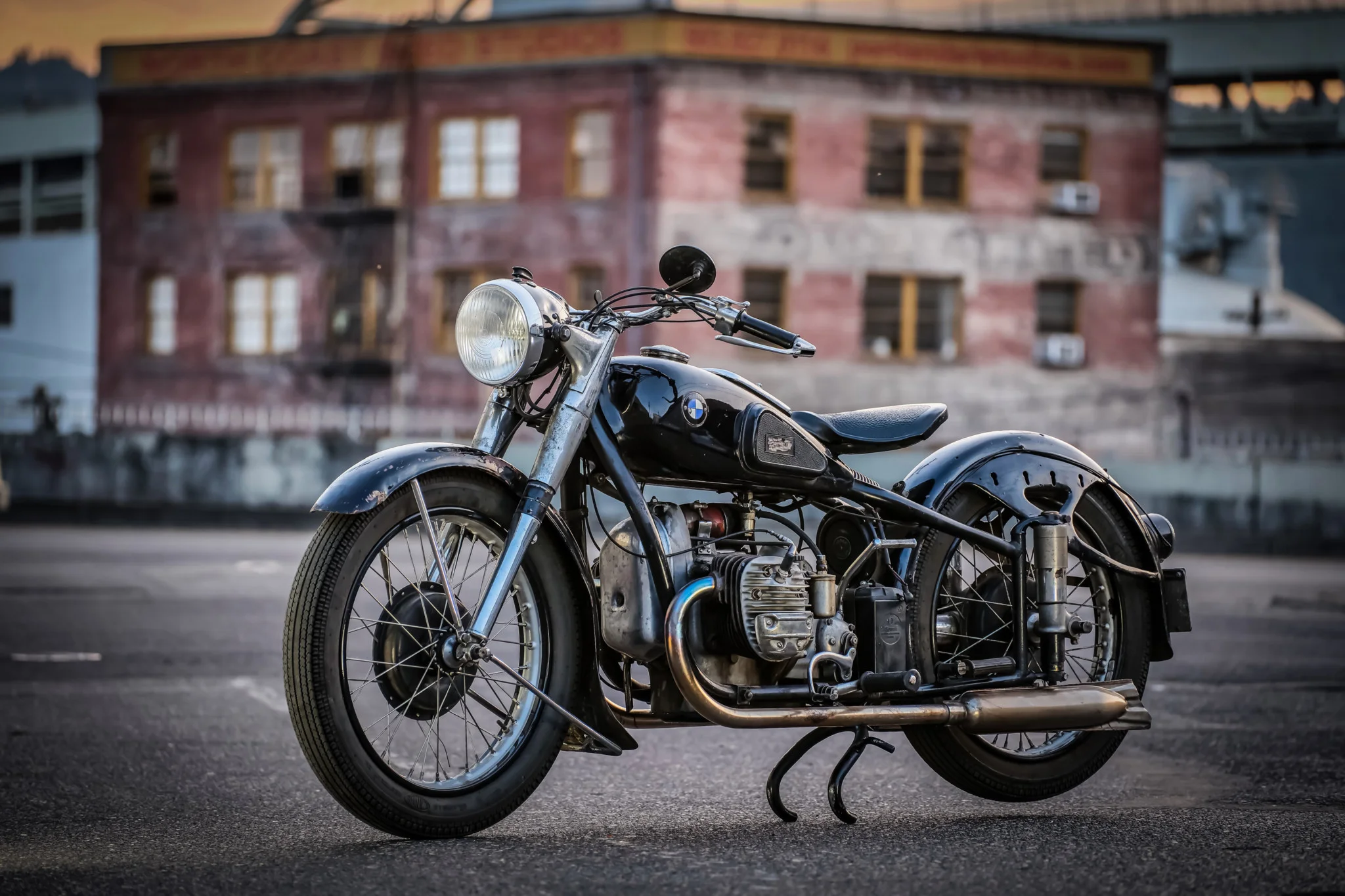
BMW R 39
1927

1927
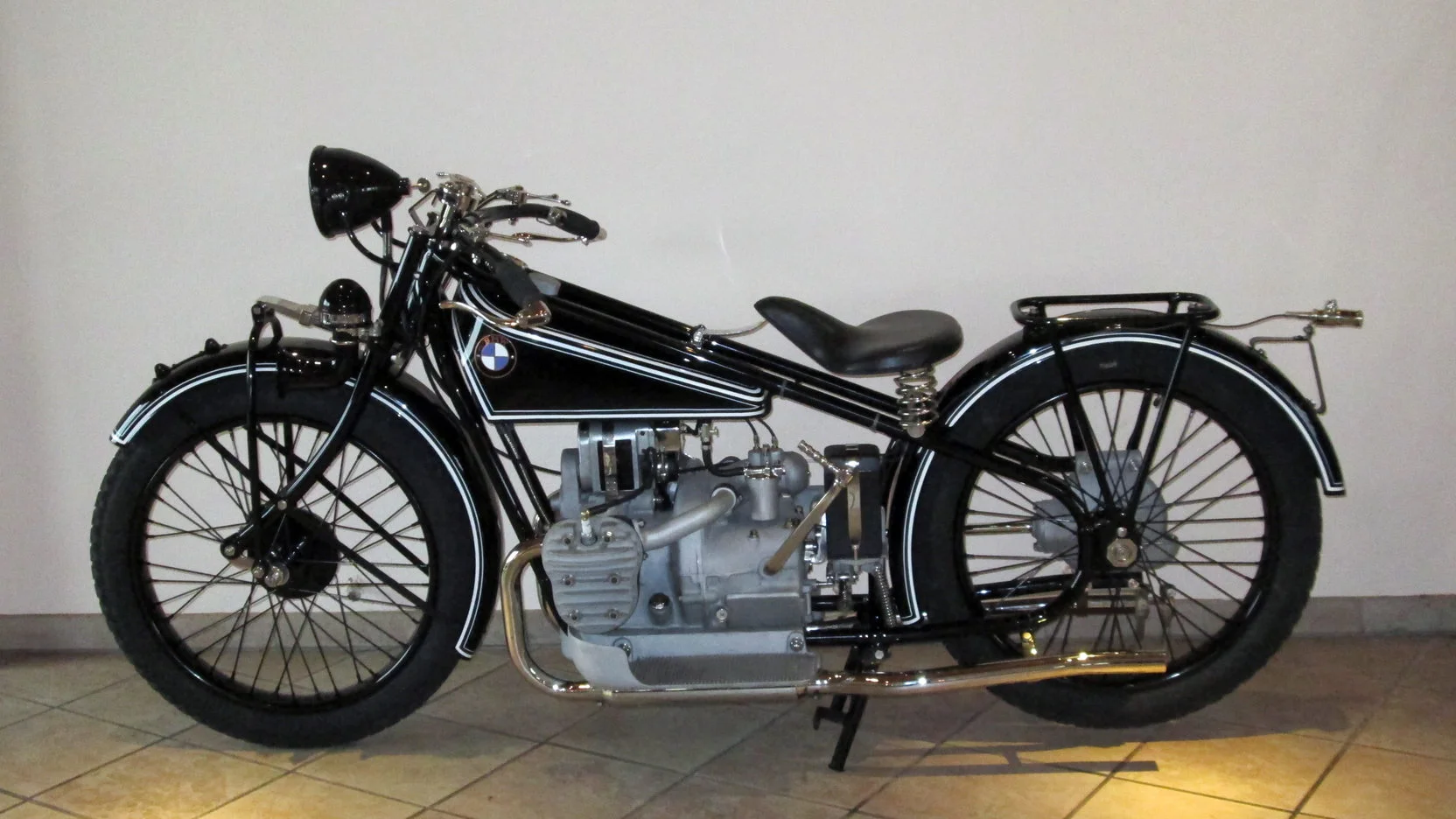
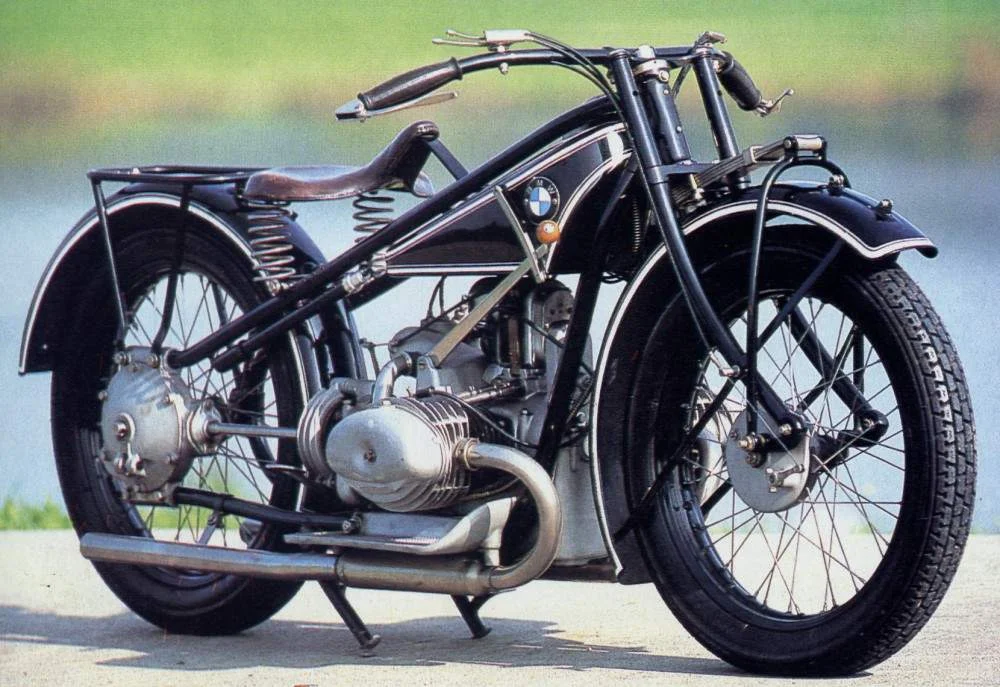
The 1927 BMW R 39 occupies a significant place in the early history of motorcycling, representing BMW's first single-cylinder motorcycle and a crucial step in their expanding model range. Following the success of their boxer-twin machines, the R 39 aimed to offer a more accessible and economical option to a broader market. At the time, it competed directly with models like the DKW E 206 and various smaller British offerings, carving out its niche as a premium single-cylinder machine with BMW's burgeoning reputation for engineering quality.
Powering the R 39 was a 247.0 ccm (15.07 cubic inches) single-cylinder engine, a departure from BMW's established boxer layout. This engine produced a modest 6.0 HP (4.4 kW) at 4000 RPM, which was respectable for the era and its displacement. This output allowed the R 39 to achieve a top speed of 100.0 km/h (62.1 mph), making it a capable machine for both daily commuting and longer journeys on the developing road networks of the 1920s. Its simplicity and efficiency were key aspects of its design.
Riding the R 39 would have offered a relatively straightforward and predictable experience. The motorcycle featured a rigid frame and basic suspension, characteristic of the period, meaning road imperfections would have been felt directly. Its upright riding position and comfortable, sprung saddle would have contributed to reasonable comfort over moderate distances. The single-cylinder engine's power delivery would have been smooth and tractable, making it easy to manage for riders of varying skill levels without being overly demanding.
The BMW R 39 was primarily aimed at riders seeking a reliable, well-engineered, and relatively affordable motorcycle that still carried the prestige of the BMW badge. It was suitable for everyday transportation, light touring, and those entering the world of motorcycling with a desire for quality over outright power. Its simplicity of design and robust construction made it a practical choice for the discerning rider of the late 1920s, solidifying BMW's presence in the single-cylinder segment and laying groundwork for future models.
✅ Why buy this bike?
• Shaft drive offered unparalleled reliability and cleanliness compared to chain drive of the era. • Overhead valve engine provided superior power output and efficiency for its displacement. • BMW's robust construction and quality materials ensured excellent longevity and durability. • Relatively light and nimble for its time, making it enjoyable for city and country riding. • Advanced for its period, featuring a fully enclosed drivetrain and effective brakes. • Prestigious brand status and build quality offered a premium experience and resale value.⚠️ Things to consider
• High initial purchase price made it inaccessible for many buyers compared to competitors. • Limited top speed and power for sustained highway cruising, best suited for local travel. • Spare parts can be extremely difficult and expensive to source due to its age and rarity. • Basic suspension design offered a firm ride on anything but perfectly smooth roads. • Lack of modern amenities like electric start or advanced lighting systems.The BMW R 39 produces 6 HP, fitting A2 license limits (max 35 kW / 47 HP). For riders 18+.
Estimated average for 247cc class: 55-80 mpg (3.0-4.5 L/100km)
Insurance grouping for BMW R 39 (247cc):
Personalised premium estimate for the BMW R 39 (UK rates):
💡 Estimate based on UK market averages. For real quotes, compare on Compare the Market, MoneySuperMarket, GoCompare.
Find new and used BMW R 39 1927 listings:
💡 Third-party listings. MotoBike Info is informational only.
No comments yet. Be the first to write one!