✦ publish
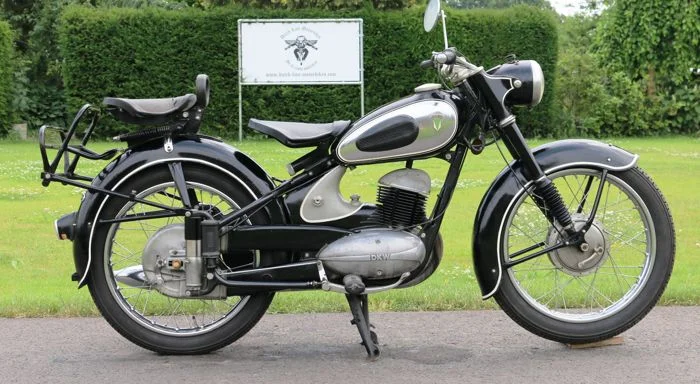
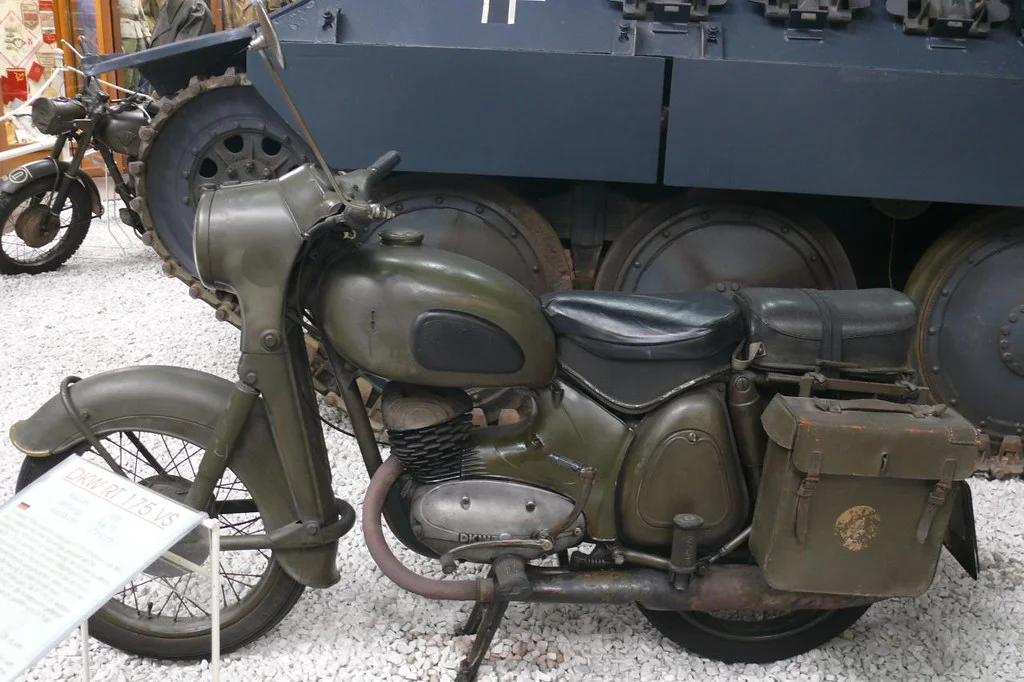
DKW NZ 500
1941

1941
✅ Why buy this bike?
• Robust 489cc single-cylinder engine provided reliable power for military and civilian duties. • Shaft drive system offered superior reliability and lower maintenance compared to chain drives. • Strong, over-engineered frame and suspension built to withstand harsh wartime conditions. • Excellent low-end torque made it capable for off-road and difficult terrain traversal. • Relatively simple mechanicals facilitated field repairs and maintenance with basic tools.⚠️ Things to consider
• Lack of rear suspension made for a very uncomfortable ride on anything but smooth roads. • Limited top speed and acceleration due to heavy construction and single-cylinder design. • Drum brakes offered adequate stopping power but were prone to fading under heavy use. • Heavy weight made it challenging to maneuver at low speeds or if the rider was dismounted. • Limited spare parts availability outside Germany, especially after the war's disruption.The DKW NZ 500 produces 18 HP, fitting A2 license limits (max 35 kW / 47 HP). For riders 18+.
Estimated average for 489cc class: 45-60 mpg (4.0-5.5 L/100km)
Insurance grouping for DKW NZ 500 (489cc):
Personalised premium estimate for the DKW NZ 500 (UK rates):
💡 Estimate based on UK market averages. For real quotes, compare on Compare the Market, MoneySuperMarket, GoCompare.
Find new and used DKW NZ 500 1941 listings:
💡 Third-party listings. MotoBike Info is informational only.
No comments yet. Be the first to write one!