✦ publish
Suzuki GSX-R 1100
1993

1993
The Suzuki GSX-R 1100. Just the name conjures images of raw power, wind-whipped hair (or helmet), and the unapologetic thrill of late 80s and early 90s superbike dominance. Today, we’re taking a look back at the 1993 model, a year that arguably cemented the GSX-R 1100's legendary status. But does this icon still hold up in a world of modern, electronically-laden superbikes?
In 1993, the Suzuki GSX-R 1100 stood shoulder-to-shoulder with machines like the Kawasaki ZX-11 and Yamaha FZR1000. These were the kings of the open-class sportbike segment, bikes built for outright speed and track day domination. While the ZX-11 focused on top-speed supremacy, and the FZR1000 offered a slightly more refined package, the GSX-R 1100 carved its niche with a brutal, visceral riding experience. It was less about lap times and more about the sheer adrenaline rush. This review focuses on understanding that experience.
At the heart of the 1993 GSX-R 1100 beats a 1074cc inline-four engine, producing a staggering 114.7 Nm of torque at 9000 RPM. This translates to an explosive surge of power that's instantly accessible. Forget fiddling with rider modes; this bike is all about raw, unfiltered grunt. The performance is characterized by a strong mid-range, perfect for overtaking, and a top-end rush that will test your nerve. While modern bikes might boast higher horsepower figures, the GSX-R 1100's power delivery feels significantly more immediate and engaging. The 1993 specifications reflect a time before electronic aids reigned supreme, placing the onus squarely on the rider's skill.
Let's be honest, the GSX-R 1100 isn't exactly known for its comfort. The riding position is aggressive, with a significant lean forward onto the bars. The 815mm seat height, while manageable for most, combined with the 231kg dry weight, can make low-speed maneuvers a bit challenging. However, once you're up to speed, the weight disappears, and the bike feels surprisingly agile. The suspension, while not cutting-edge by today's standards, provides decent feedback and control. Daily usability is limited; this isn't a commuter bike. It's a weekend warrior, built for carving canyons and hitting the open road.
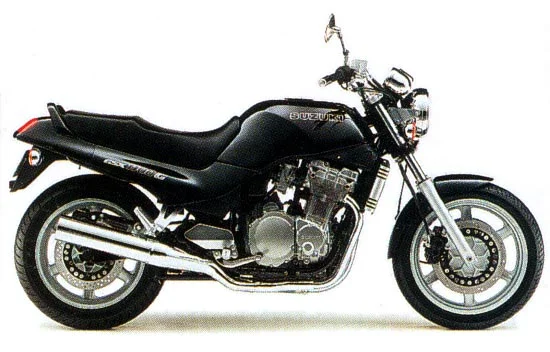
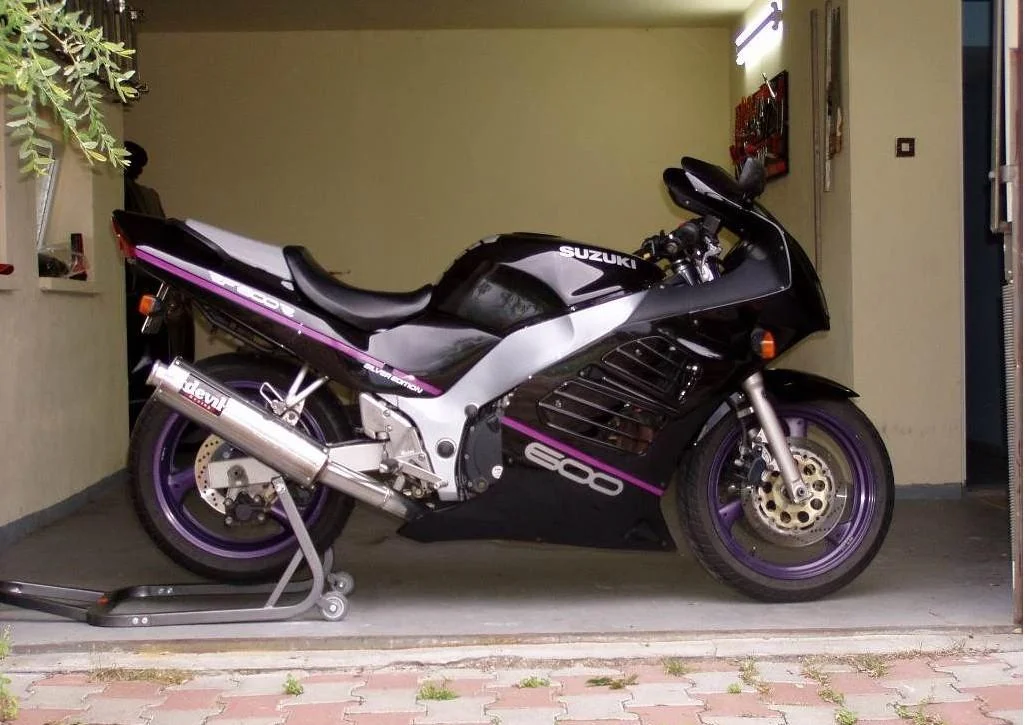
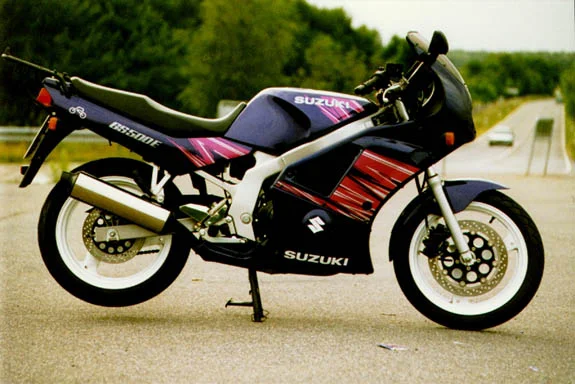
The design of the 1993 GSX-R 1100 is pure 90s sportbike. The angular fairings, the twin round headlights, and the signature Suzuki blue and white paint scheme (often seen) are instantly recognizable. Build quality is generally good, although some components may show their age. The materials used are robust, and the fit and finish are respectable for a bike of this era. However, finding one in pristine condition requires patience and a willingness to invest in some restoration.
The 1993 Suzuki GSX-R 1100 isn't for everyone. It's a raw, visceral machine that demands respect and skill. It's ideal for experienced riders who appreciate the unfiltered thrill of a classic superbike. If you're looking for a comfortable commuter or a technologically advanced track weapon, look elsewhere. But if you crave a taste of 90s superbike glory, the GSX-R 1100 delivers in spades. It's a motorcycle that connects you to a bygone era, a time when performance was king and rider skill was paramount. This review should help you decide if it is the right machine for you.
✅ Why buy this bike?
* Brutal acceleration and top-end power from the large-displacement inline-four engine, providing exhilarating straight-line performance. * Relatively simple and robust engine design, making it easier to maintain and repair compared to modern, more complex motorcycles. * Classic sportbike styling that is iconic and instantly recognizable, appealing to enthusiasts of the era. * Comfortable riding position for a sportbike of its time, making it surprisingly suitable for longer rides despite its performance focus. * Readily available aftermarket parts and support due to its popularity and long production run.⚠️ Things to consider
* Heavy weight (231 kg) makes it less agile and harder to maneuver at low speeds compared to modern sportbikes. * Carbureted engine requires more maintenance and can be finicky to tune, especially in varying weather conditions. * Brakes lack the stopping power and feel of modern braking systems, requiring more rider input and anticipation. * Suspension is basic by today's standards, offering less adjustability and a harsher ride compared to modern sportbikes with more sophisticated damping.Rule of thumb: under 125cc / 15HP → A1, under 47HP → A2, above → A.
Estimated average for 1074cc class: 28-40 mpg (6.0-9.0 L/100km)
⛽ Tank: 21.00 litres (5.55 US gallons)
Insurance grouping for Suzuki GSX-R 1100 (1074cc):
Personalised premium estimate for the Suzuki GSX-R 1100 (UK rates):
💡 Estimate based on UK market averages. For real quotes, compare on Compare the Market, MoneySuperMarket, GoCompare.
Find new and used Suzuki GSX-R 1100 1993 listings:
💡 Third-party listings. MotoBike Info is informational only.
No comments yet. Be the first to write one!