✦ publish
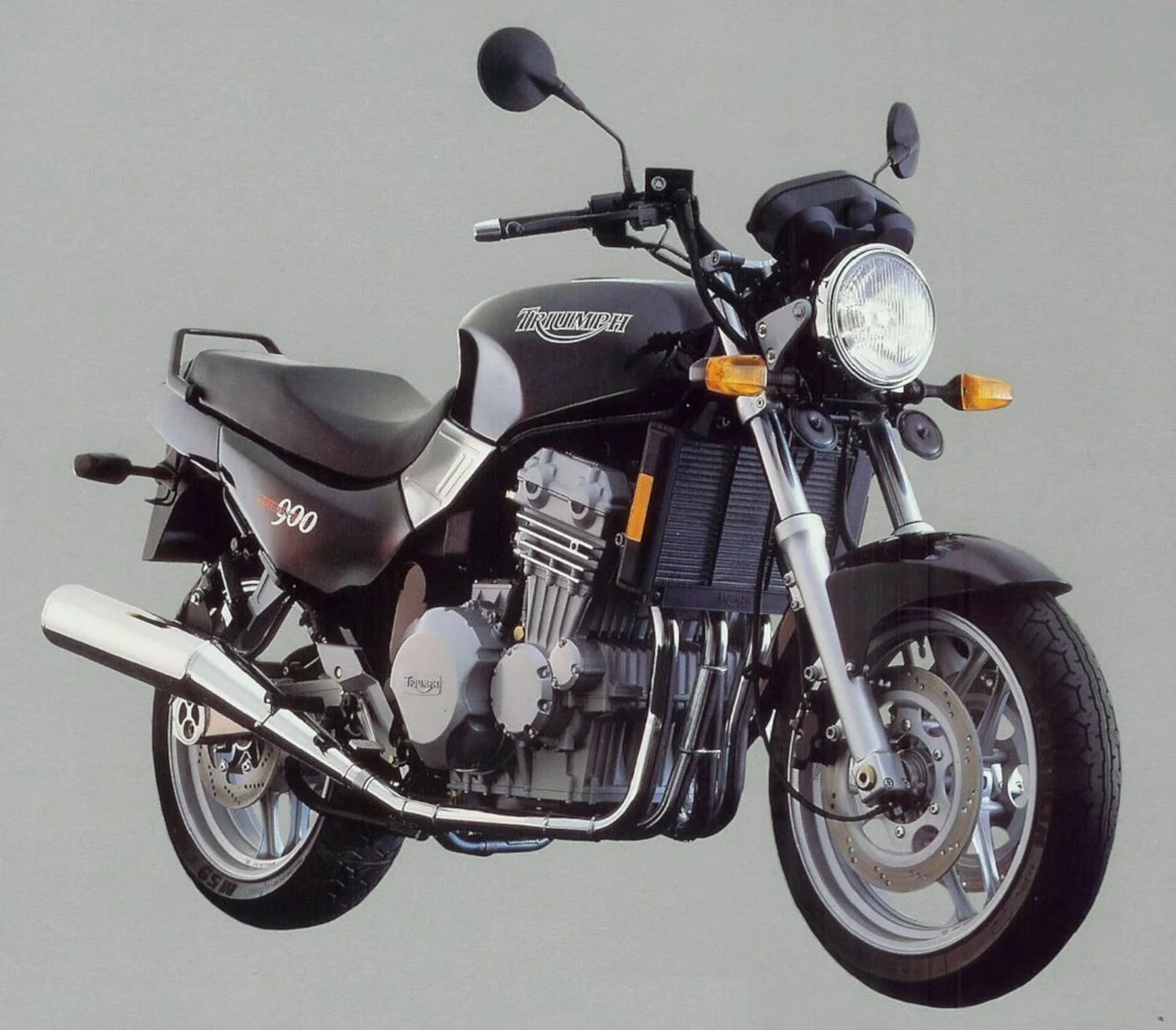
Triumph Daytona 1000
1992
1992
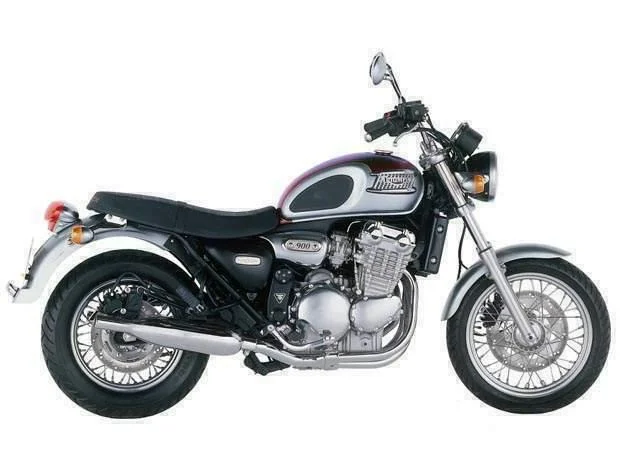
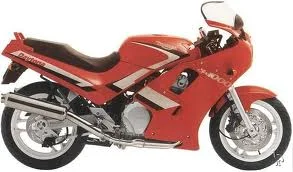
The 1992 Triumph Daytona 1000 holds a significant place in the revitalized Triumph lineup of the early 90s, emerging as a powerful sport-touring contender. Following the brand's re-establishment, the Daytona 1000 was part of the first wave of modular Hinckley Triumphs, sharing its core architecture with models like the Trident and Trophy. It aimed squarely at the established Japanese litre-bikes of the era, competing directly with machines such as the Kawasaki ZX-10 Tomcat and the Honda CBR1000F, offering a distinctive British alternative in the burgeoning sportbike market.
Underneath its purposeful fairing, the Daytona 1000 housed a robust 998.0 ccm (60.90 cubic inches) in-line four, four-stroke engine. This powerhouse delivered a respectable 100.0 HP (73.0 kW) at 9800 RPM, propelling the machine to a top speed of 239.0 km/h (148.5 mph). Fuel capacity was generous, with a 25.00 litres (6.61 US gallons) tank ensuring ample range for longer journeys. While its power figures might not have shattered records, the torque delivery was substantial, providing strong pull throughout the rev range, a characteristic appreciated by riders covering serious miles.
Riding characteristics leaned towards the sport-touring end of the spectrum rather than pure track-focused ergonomics. While it featured a more aggressive posture than its touring stablemates, the Daytona 1000 avoided the extreme rearset pegs and clip-on angles often found on dedicated supersport machines. The fairing offered decent wind protection, and the suspension, while firm, was engineered to absorb imperfections over long distances, contributing to a comfortable experience for both rider and pillion. The chassis provided stable handling, instilling confidence during spirited rides through winding roads.
The 1992 Triumph Daytona 1000 was designed for the rider who appreciated a potent, well-built machine capable of both spirited Sunday rides and extended touring. It appealed to those seeking an alternative to the dominant Japanese offerings, valuing its unique British heritage and solid, reliable engineering. For enthusiasts of early Hinckley Triumphs, the Daytona 1000 represents a pivotal model, showcasing Triumph's successful return to the sportbike arena with a practical yet powerful offering.
✅ Why buy this bike?
• Powerful, smooth 998cc inline-four engine offered strong performance for its era, delivering exhilarating acceleration. • Distinctive and robust styling from the Hinckley era, standing out from contemporary Japanese and Italian bikes. • Good long-distance comfort for a sport-tourer of its time, thanks to a relatively relaxed riding position. • Reputation for solid build quality and durability, reflecting Triumph's commitment to engineering in the early 90s. • Emerging classic status, making it a potentially appreciating asset for collectors and enthusiasts. • More affordable entry into a large displacement, multi-cylinder sport-tourer compared to some rivals.⚠️ Things to consider
• Heavy curb weight made it less agile and harder to maneuver than lighter sportbikes of the period. • Suspension components were basic for a performance bike, limiting ultimate handling capabilities on demanding roads. • Brakes, while adequate, lacked the feel and stopping power of more modern or premium systems. • Fuel economy was relatively poor due to the large engine and older carburetion technology. • Parts availability can be challenging for some specific components due to its age and limited production run.With 100 HP, requires full Class A license. Riders must be 24+ or have 2 years A2 experience (20+).
Estimated average for 998cc class: 35-50 mpg (5.0-7.0 L/100km)
⛽ Tank: 25.00 litres (6.61 US gallons)
Insurance grouping for Triumph Daytona 1000 (998cc):
Personalised premium estimate for the Triumph Daytona 1000 (UK rates):
💡 Estimate based on UK market averages. For real quotes, compare on Compare the Market, MoneySuperMarket, GoCompare.
Find new and used Triumph Daytona 1000 1992 listings:
💡 Third-party listings. MotoBike Info is informational only.
No comments yet. Be the first to write one!