✦ publish
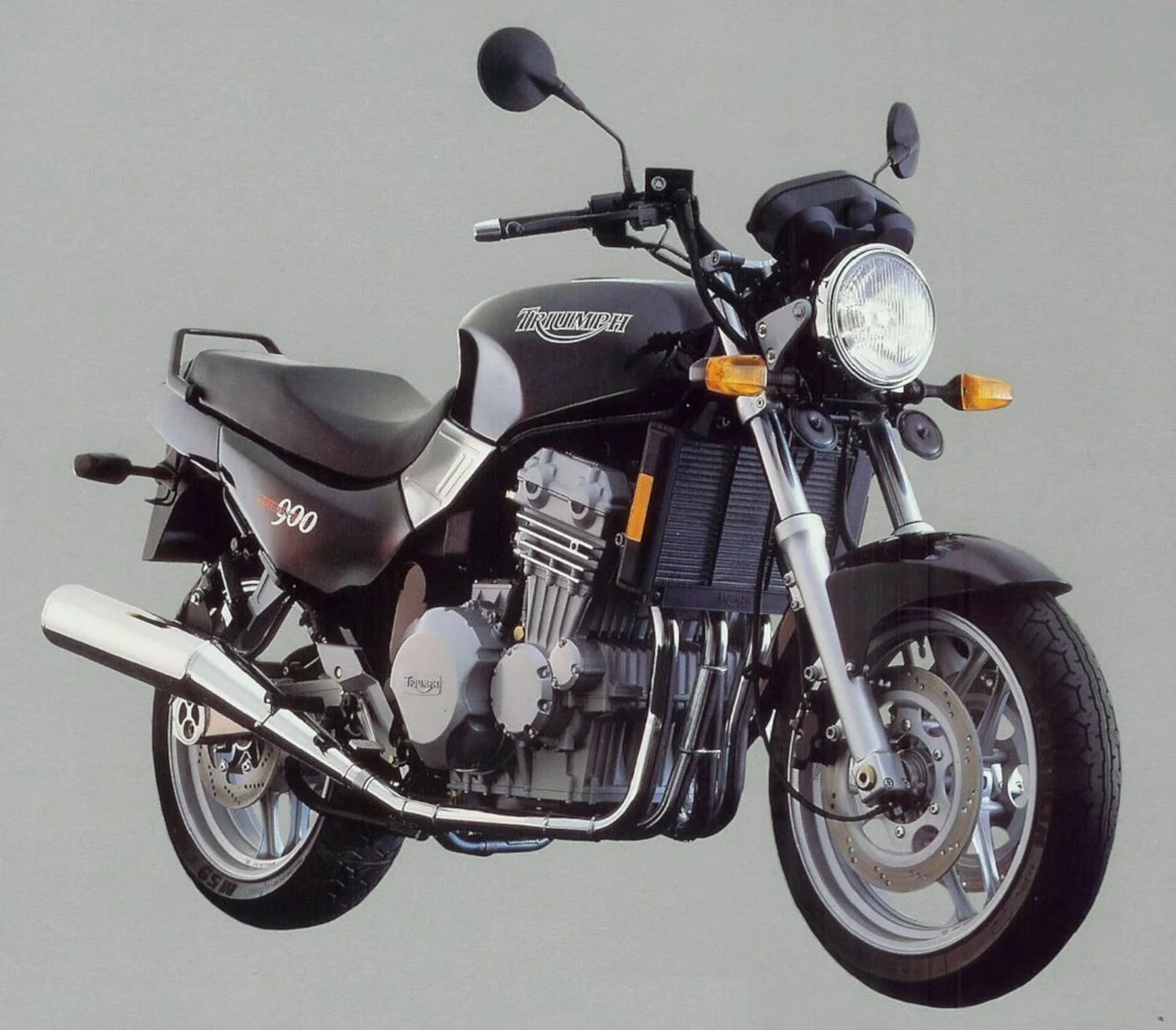
Triumph Daytona 750 (reduced effect)
1992
1992
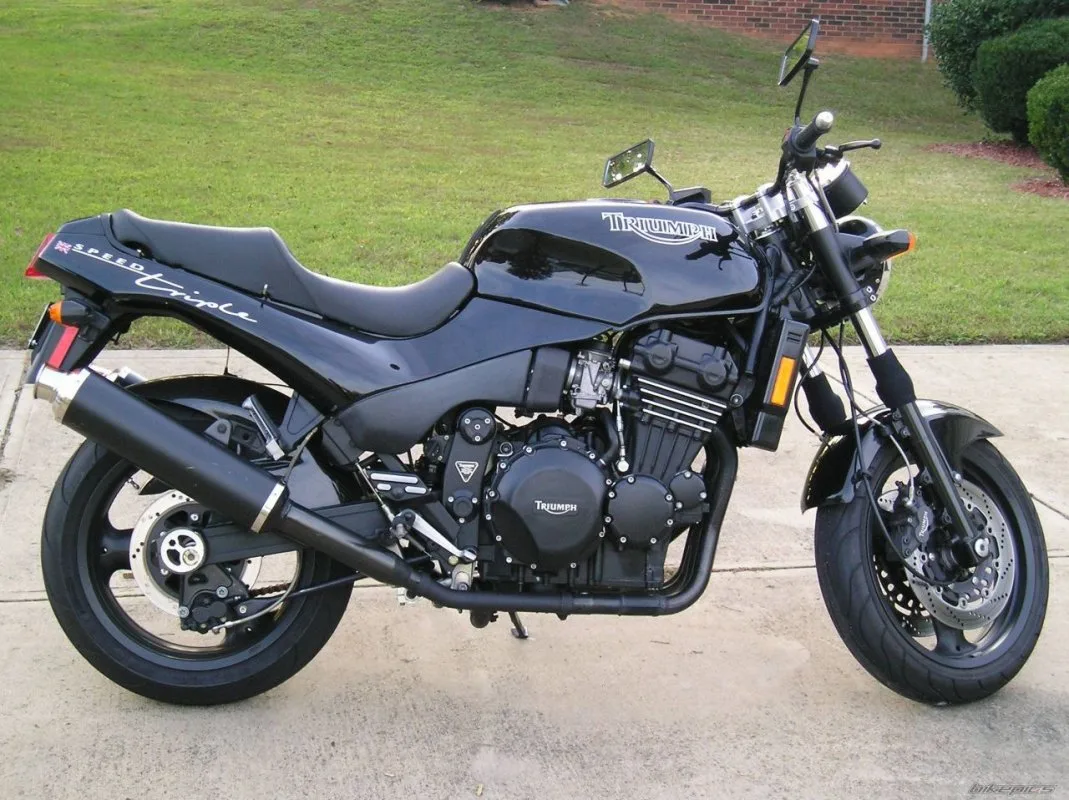
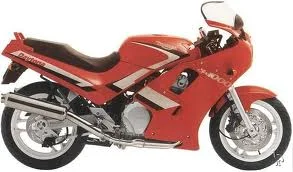
The early 1990s were a pivotal time for Triumph. After decades of dormancy, the Hinckley factory roared back to life, and the Triumph Daytona 750 (reduced effect) was a key player in their resurgence. While perhaps not as widely celebrated as its bigger brother, the Daytona 900, the 750 offered a unique blend of British character and accessible performance. This review takes a deep dive into the 1992 model, exploring its strengths and weaknesses, and determining its place in the pantheon of sportsbikes.
In 1992, the sportsbike market was dominated by Japanese inline-fours. Machines like the Yamaha FZR600 and Honda CBR600F were the benchmarks for performance and handling. The Triumph Daytona 750 (reduced effect) aimed to offer something different: a distinctive three-cylinder engine with a more characterful power delivery and a dose of British charm. While the Japanese machines were known for their razor-sharp handling and high-revving engines, the Daytona 750 offered a more relaxed, real-world riding experience.
At the heart of the Daytona 750 lies its 748cc inline-three engine. This four-stroke powerplant produces a claimed 50 horsepower (36.5 kW) at 8000 RPM. While this might seem modest compared to the 600cc screamers of the day, the triple configuration provides a broad spread of torque, making it incredibly tractable on the road. The performance is surprisingly punchy in the mid-range, allowing for effortless overtaking and spirited riding. The liquid-cooled engine is mated to a smooth-shifting 6-speed gearbox, ensuring you're always in the right gear to exploit the engine's sweet spot. The 1992 specifications show a fuel tank capacity of 25 litres, giving it a decent range for touring or weekend blasts.
The Daytona 750 offers a comfortable riding position for a sportsbike of its era. While not as upright as a dedicated tourer, it’s far from the wrist-breaking crouch of more modern machines. The seat height is manageable, making it accessible for a wide range of riders. The handling is stable and predictable, inspiring confidence in corners. While it might not be as nimble as a CBR600F, the Daytona 750 offers a more planted and reassuring feel, especially on less-than-perfect road surfaces. The weight is noticeable, but well-distributed, contributing to its overall stability.
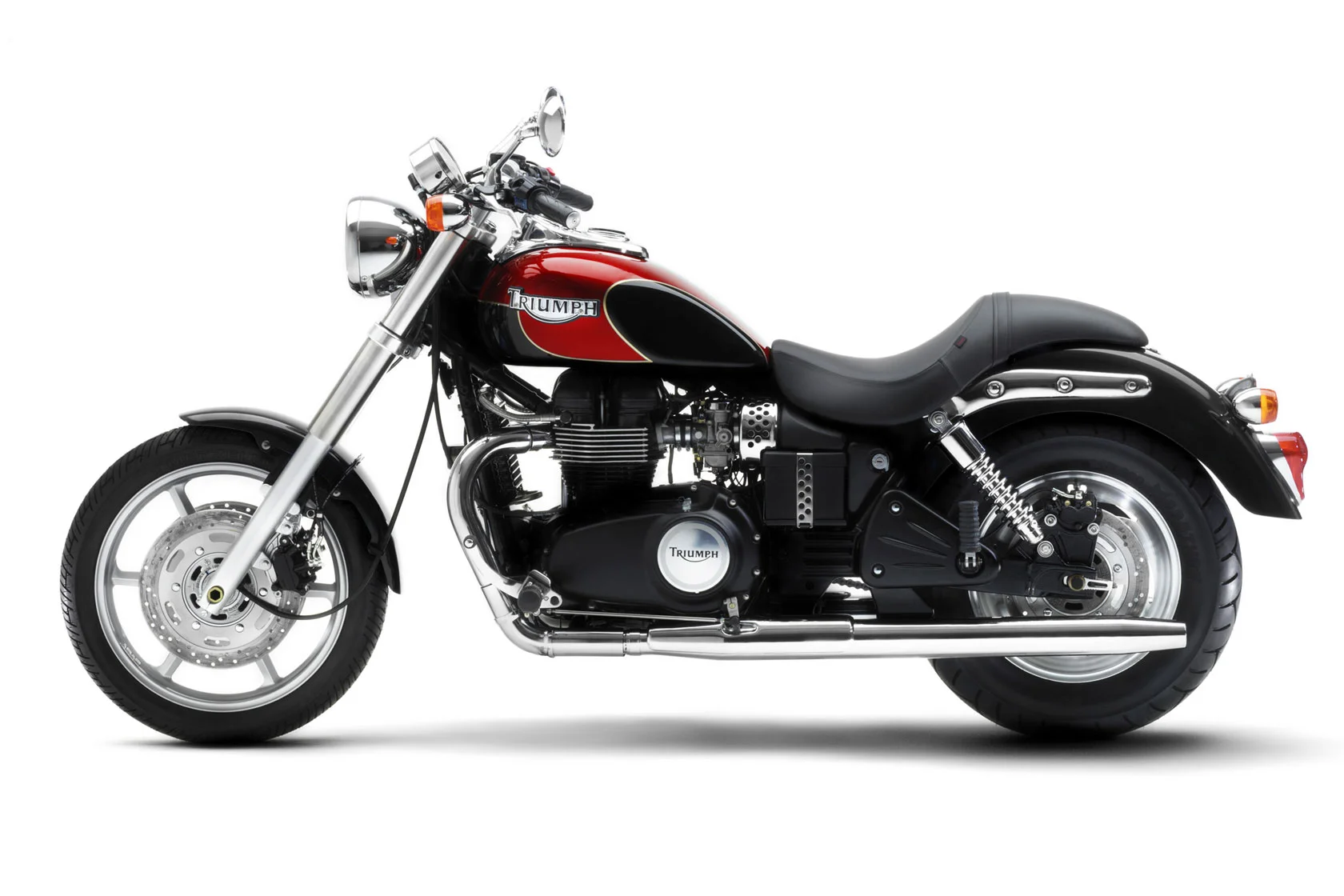
The Daytona 750 boasts classic early '90s sportbike styling. Its sleek lines and distinctive fairing give it a unique and appealing look. The build quality is generally good, with durable materials used throughout. While some of the switchgear might feel a bit dated by today's standards, the overall fit and finish are respectable for a motorcycle of its age. The Triumph logo proudly displayed on the tank adds to its distinct British heritage.
The Triumph Daytona 750 (reduced effect) is a characterful and rewarding sportsbike that offers a unique alternative to the more common Japanese offerings. It's ideal for riders who appreciate a torquey engine, comfortable ergonomics, and distinctive styling. While its performance might not be class-leading, it offers a fun and engaging riding experience. This bike is perfect for weekend blasts, commuting, or even light touring. If you're looking for a classic sportsbike with a touch of British flair, the Daytona 750 is well worth considering.
✅ Why buy this bike?
* Distinctive and appealing 90s styling that stands out from modern sportbikes. * Relatively smooth and tractable 750cc triple engine providing usable power in the mid-range, making it forgiving for less experienced riders. * Comfortable riding position compared to more extreme sportbikes of the era, suitable for longer journeys. * Unique engine sound from the triple configuration that is aurally pleasing. * Affordable purchase price on the used market compared to newer sportbikes.⚠️ Things to consider
* Low power output (50hp) compared to other 750cc sportbikes of the same era, limiting its performance potential. * Carbureted engine requires regular maintenance and can be sensitive to temperature and altitude changes. * Parts availability may be limited due to the age of the motorcycle. * Outdated suspension and braking components compared to modern bikes, resulting in less precise handling and braking performance.With 50 HP, requires full Class A license. Riders must be 24+ or have 2 years A2 experience (20+).
Estimated average for 748cc class: 35-50 mpg (5.0-7.0 L/100km)
⛽ Tank: 25.00 litres (6.61 US gallons)
Insurance grouping for Triumph Daytona 750 (reduced effect) (748cc):
Personalised premium estimate for the Triumph Daytona 750 (reduced effect) (UK rates):
💡 Estimate based on UK market averages. For real quotes, compare on Compare the Market, MoneySuperMarket, GoCompare.
Find new and used Triumph Daytona 750 (reduced effect) 1992 listings:
💡 Third-party listings. MotoBike Info is informational only.
No comments yet. Be the first to write one!