Hyosung Brand History
Hyosung, a name that might not be as instantly recognizable as Honda or Yamaha, has a history stretching back to 1978. The company was founded in South Korea, initially as Hyosung Motors & Machinery Inc., and began as a division of the Hyosung Group. In its early years, Hyosung focused primarily on producing motorcycle components under license from Suzuki. This partnership proved crucial in establishing Hyosung's manufacturing capabilities and technical expertise. The brand's trajectory shifted from manufacturing parts to producing complete motorcycles, marking a significant turning point in its evolution.
A pivotal moment arrived in 1986 when Hyosung began producing its own motorcycle designs. While information on the absolute first model is scarce, the S125 Custom, launched in the late 1980s, is considered an early and significant model. It showcased Hyosung's burgeoning ability to create complete motorcycles and marked a departure from solely relying on licensed production. It demonstrated a move towards independent design and manufacturing.
Here are a few key milestones in Hyosung's journey:
- 1978: Hyosung Motors & Machinery Inc. is founded, initially focusing on licensed production of motorcycle components.
- 1986: Hyosung begins producing its own motorcycle designs, signaling a move towards independent manufacturing.
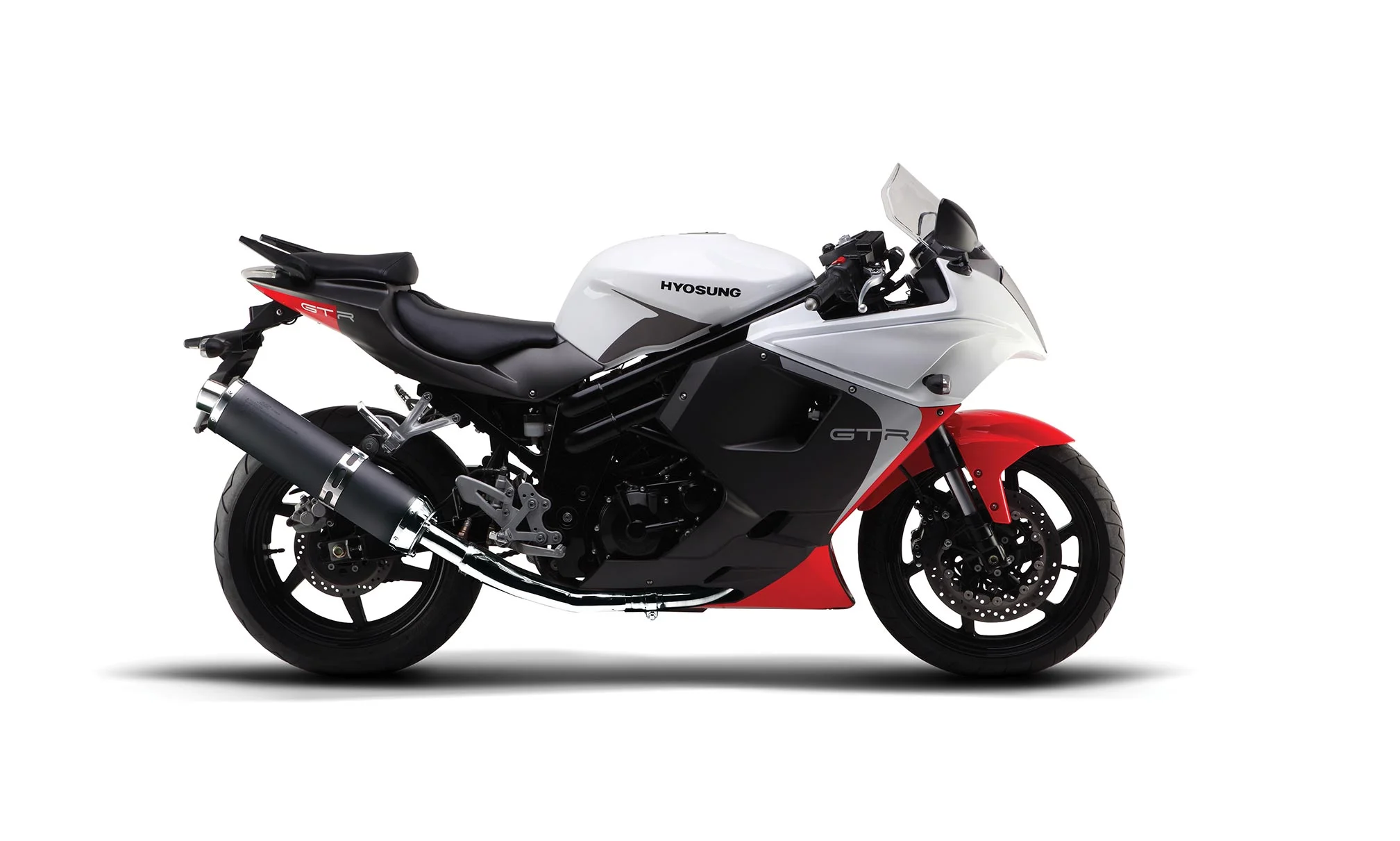
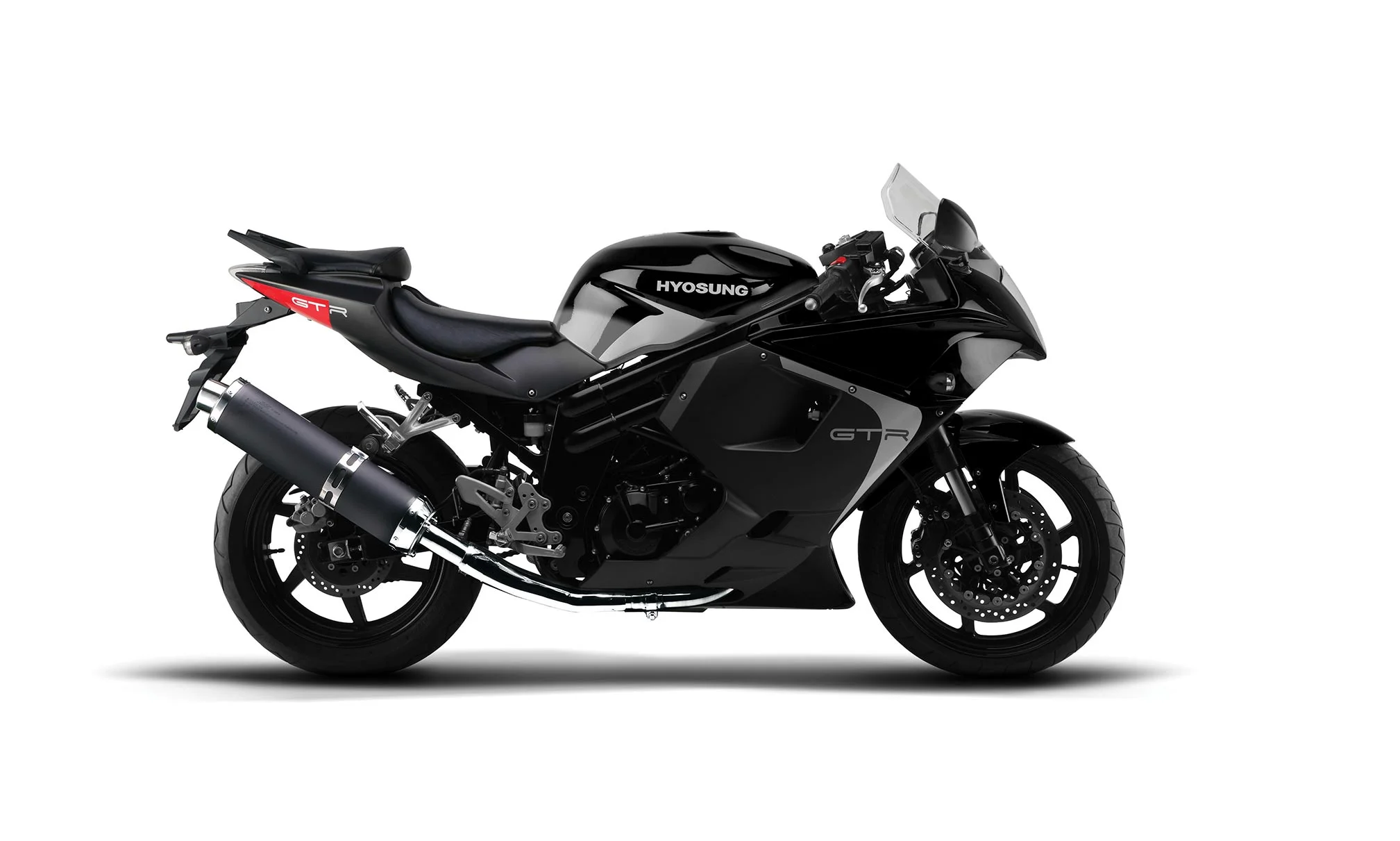
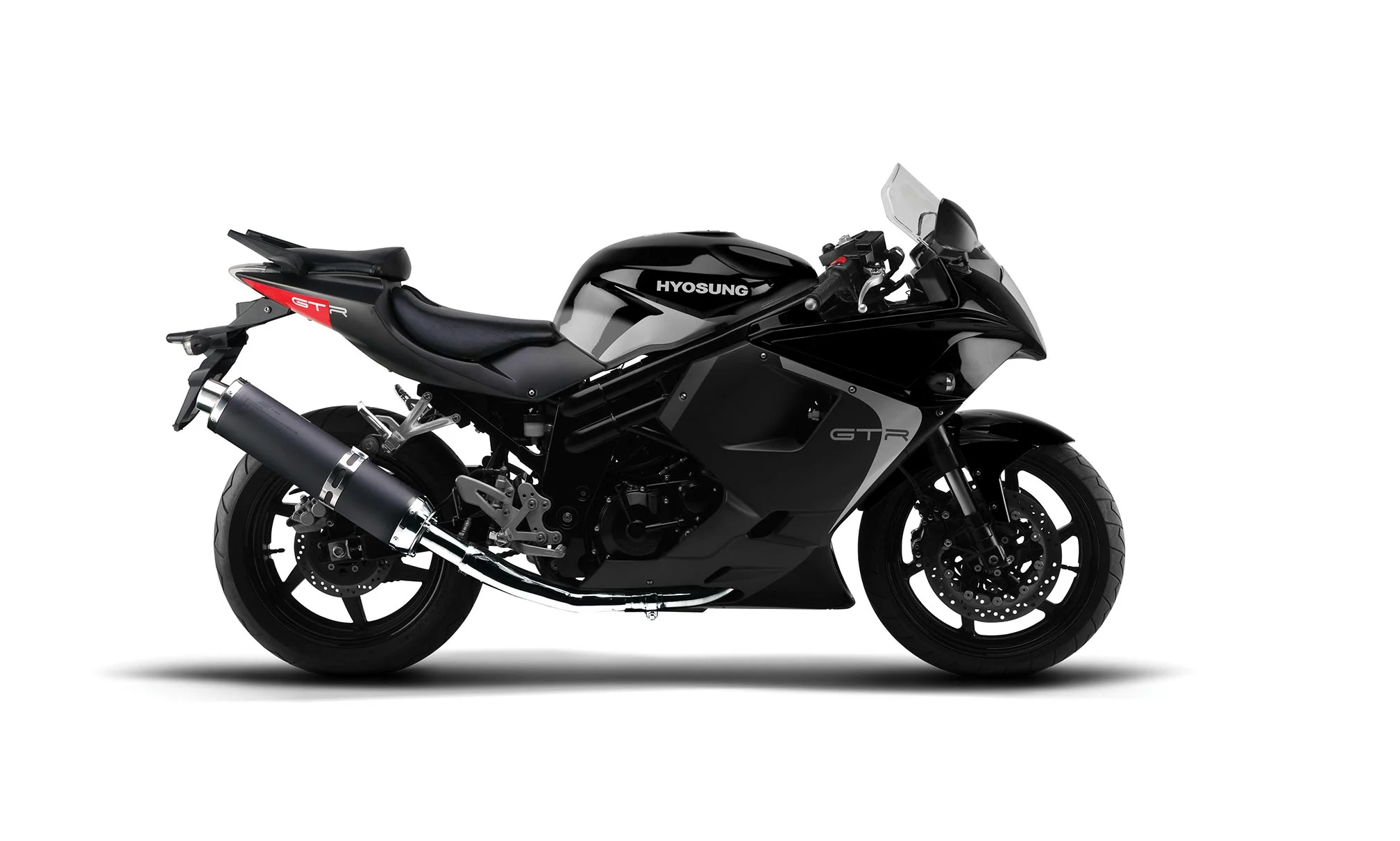
- Early 2000s: The introduction of the GT series, including the GT250R and GT650R, gains popularity globally, establishing Hyosung as a contender in the sportbike market.
- 2007: Hyosung Motors becomes an independent company, further solidifying its position in the motorcycle industry.
Hyosung Philosophy and Engineering
Hyosung's manufacturing philosophy often centers on providing accessible and affordable motorcycles, particularly in the entry-level and mid-range segments. This approach emphasizes value for money, making motorcycling accessible to a broader audience. The company aims to offer feature-rich motorcycles at competitive price points.
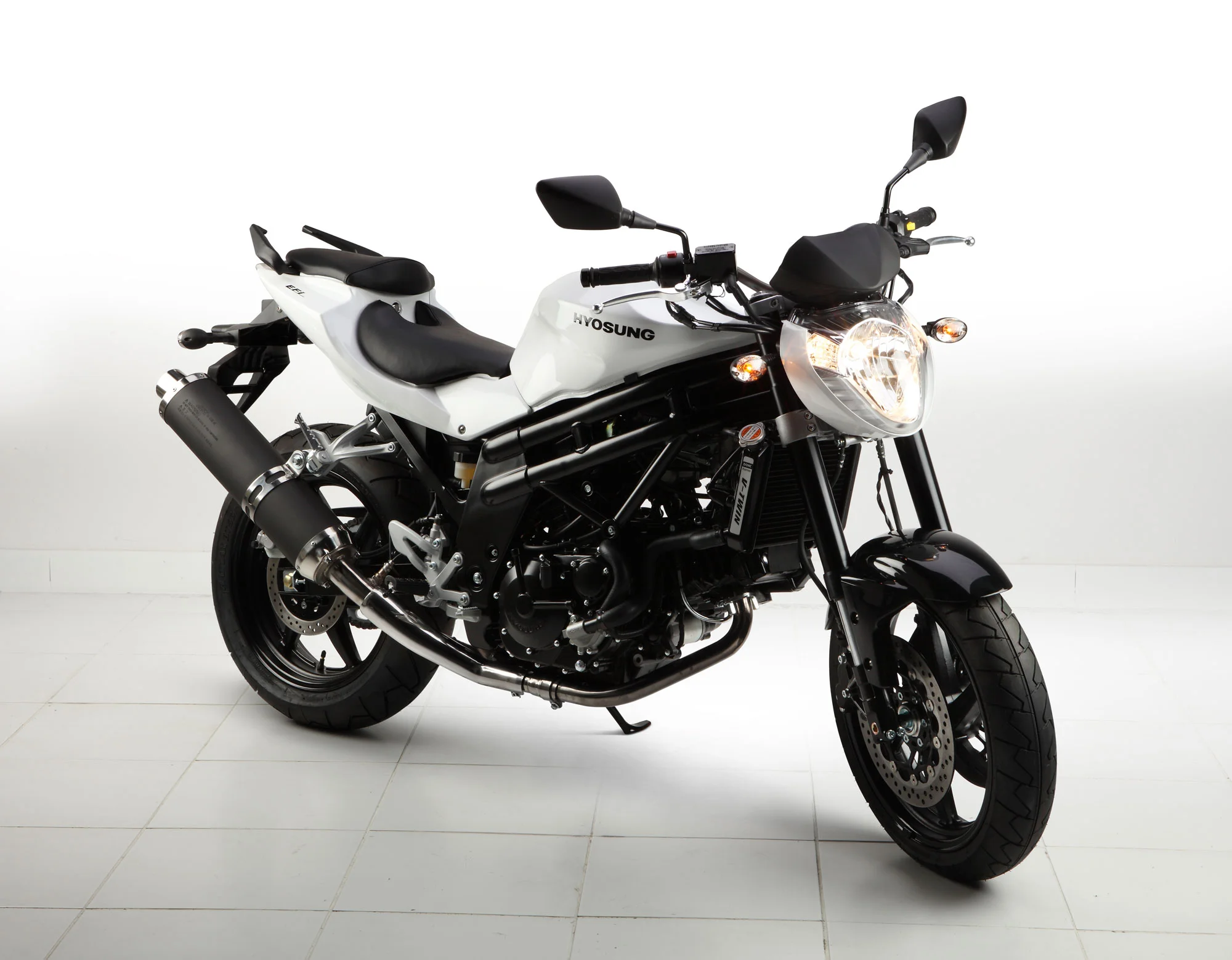
From an engineering perspective, Hyosung typically employs a pragmatic approach. Their engines are often liquid-cooled V-twins or parallel-twins, known for their reliability and ease of maintenance. The GT650R, for example, features a 647cc, liquid-cooled, DOHC, 8-valve V-twin engine that produces approximately 72 horsepower. The chassis designs are generally straightforward, focusing on stability and predictable handling rather than cutting-edge performance. Electronics are generally kept simple, prioritizing functionality and ease of use over advanced rider aids.
Two specific differentiators for Hyosung include:
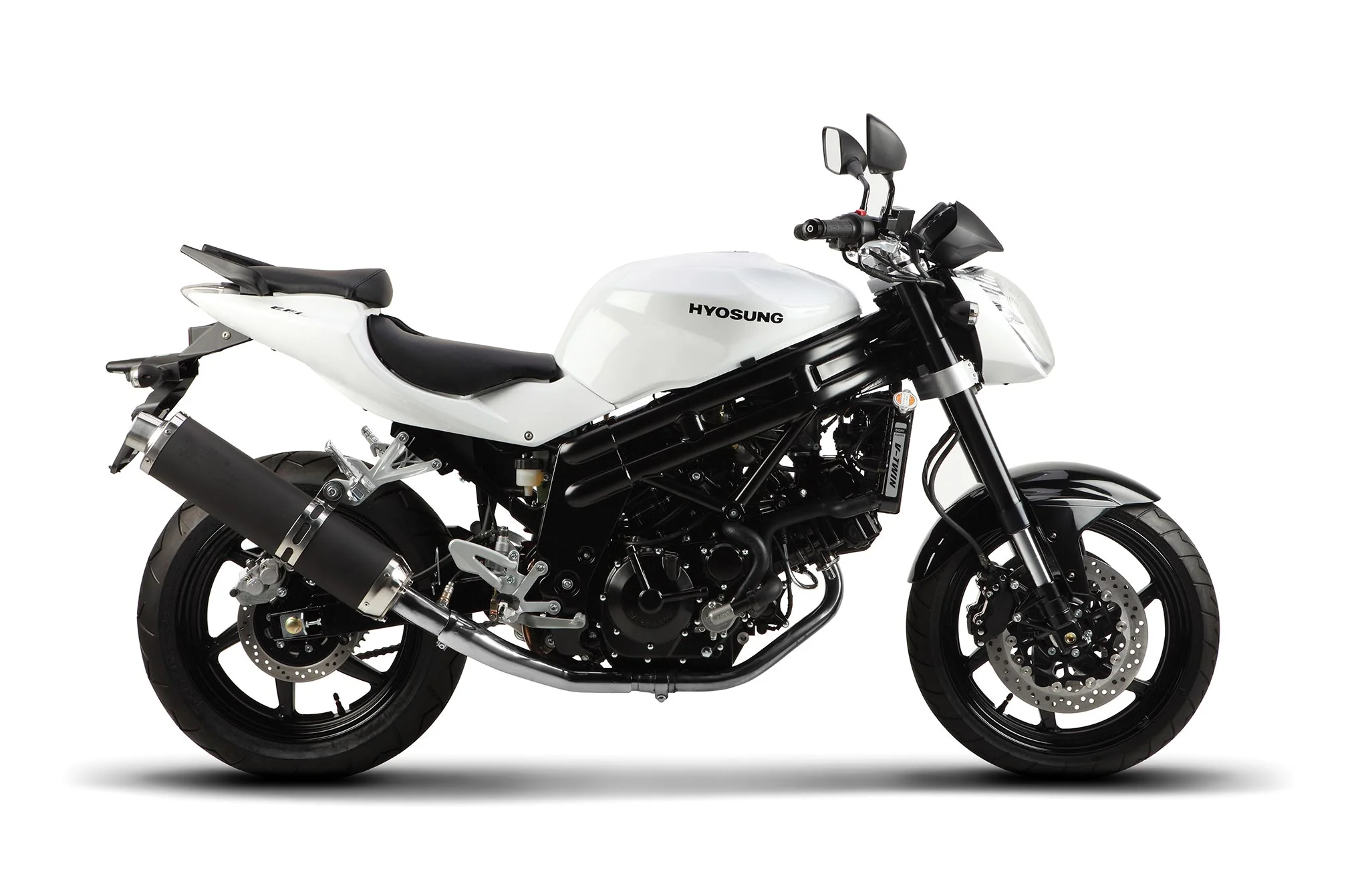
- V-Twin Engine Availability in Smaller Displacement: Hyosung was one of the few manufacturers to offer V-twin engines in smaller displacement motorcycles, such as the GT250 and GT250R. This provided a distinct engine character and sound compared to the more common inline engines found in competing models like the Kawasaki Ninja 250.
- Value-Oriented Pricing: Hyosung motorcycles are often priced lower than comparable models from Japanese or European manufacturers. This makes them an attractive option for budget-conscious riders or those new to motorcycling.
Hyosung Global Presence
Hyosung has established a global presence, with a significant presence in Europe, Asia, and South America. Major markets include countries in Southeast Asia, where their affordable and practical motorcycles are popular. They also have a presence in Europe, particularly in countries where price sensitivity is a factor. The dealer network varies depending on the region, with independent distributors often handling sales and service.
While Hyosung doesn't have a prominent racing heritage comparable to brands like Ducati or Yamaha, they have participated in some regional racing events, particularly in the Asian market. These efforts have primarily focused on promoting the brand and showcasing the capabilities of their motorcycles.
Hyosung does not currently have any major subsidiaries. The company primarily operates through a network of distributors and partners in various countries. In the past, they had a technical partnership with Suzuki, which helped in the development of their engines and motorcycle technology.
Iconic Hyosung Models
Here are a few of the most important models in Hyosung's history, representing key moments and contributions to the brand's identity:
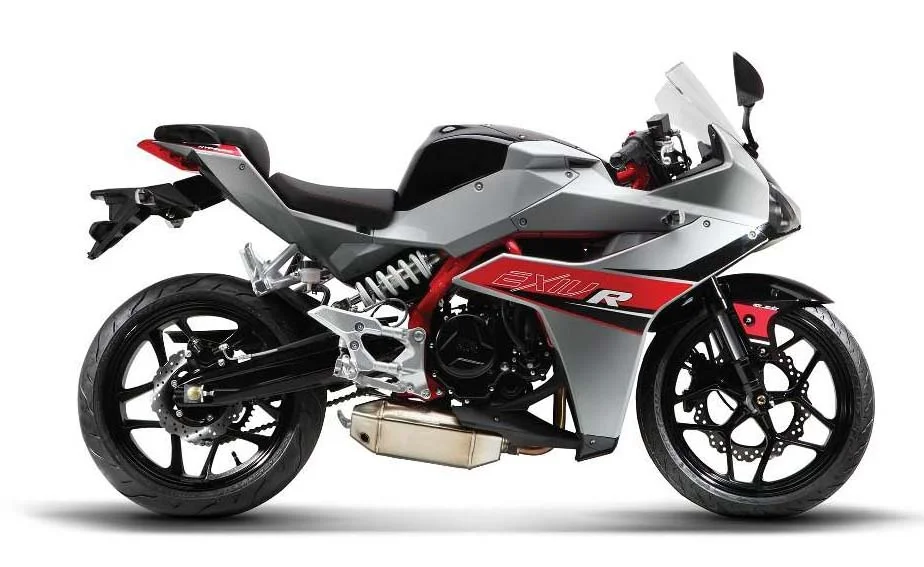
- GT650R: This sportbike gained popularity for its V-twin engine, aggressive styling, and accessible price point. It provided an alternative to inline-four sportbikes and appealed to riders looking for a unique experience.
- GT250R: Similar to the GT650R, the GT250R offered a smaller displacement V-twin engine in a sportbike package. It was a popular choice for beginner riders and those seeking an affordable entry into sportbike riding.
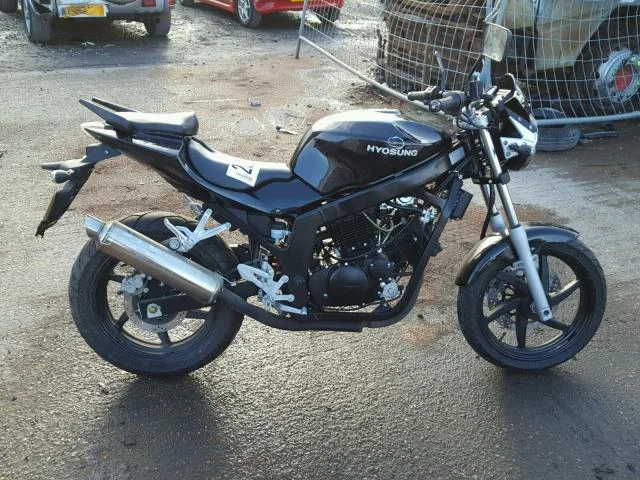
- GT250: The naked version of the GT250R, the GT250 offered similar mechanicals but with a more upright riding position and a more versatile design. It was a popular choice for urban riding and commuting.
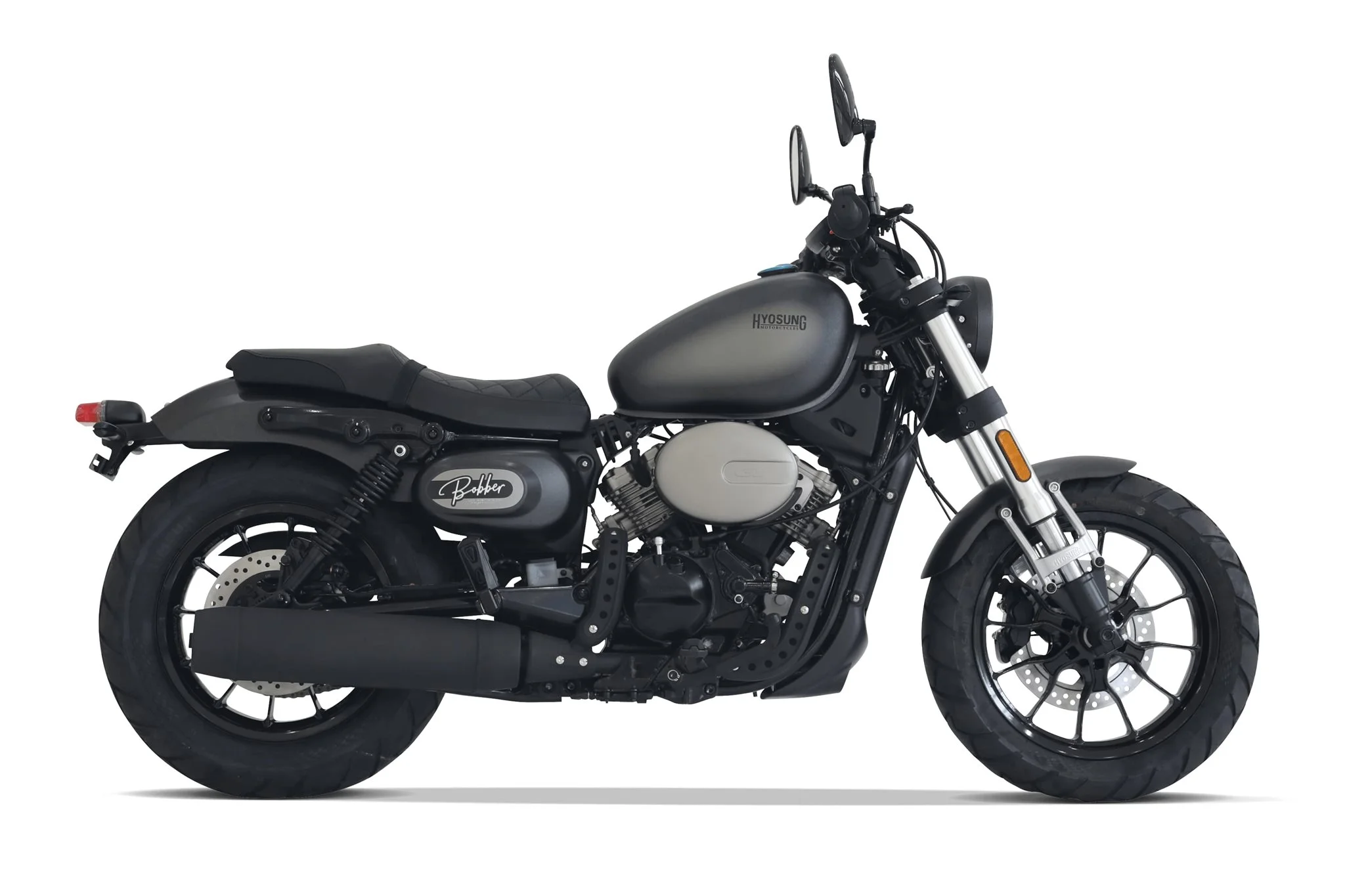
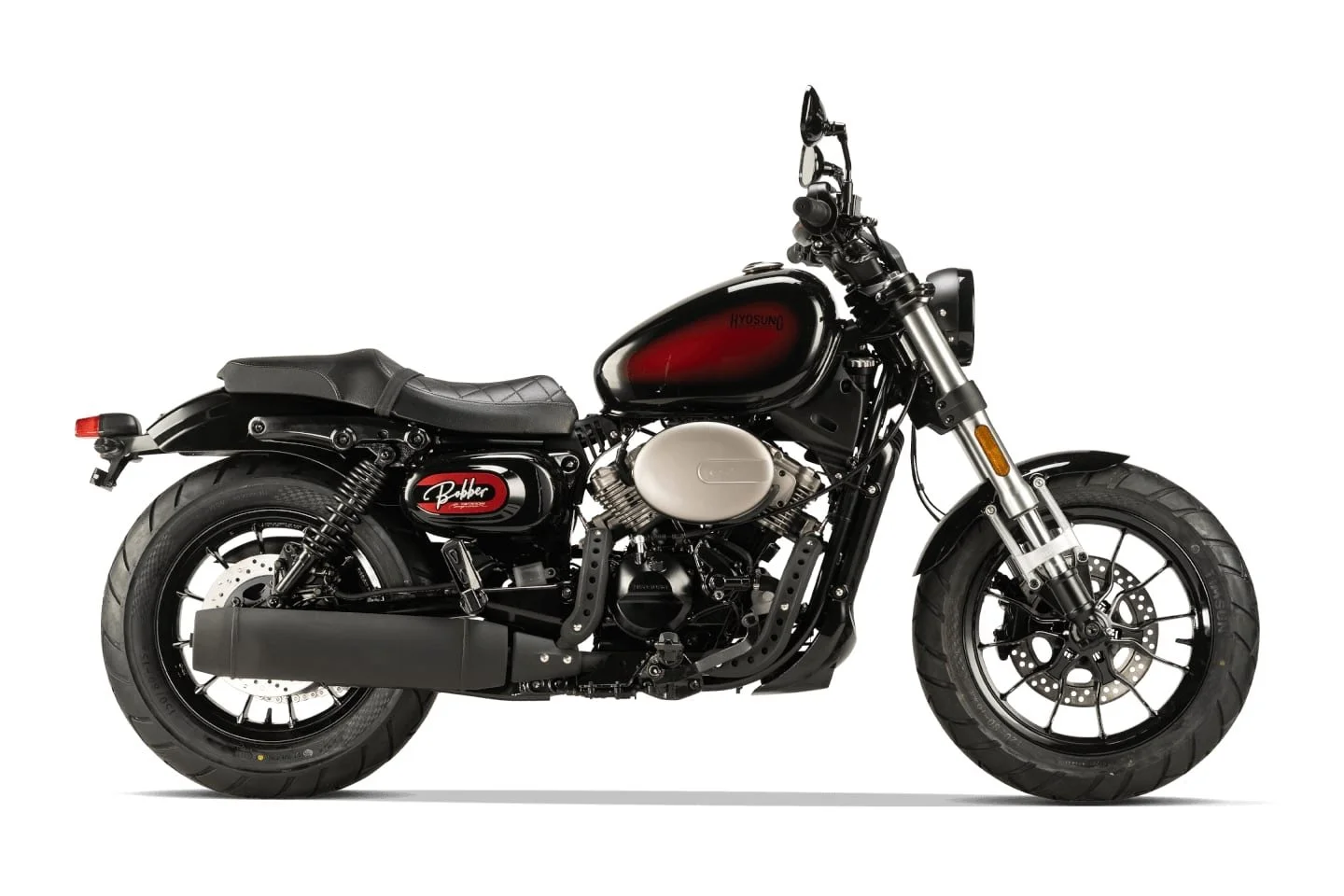
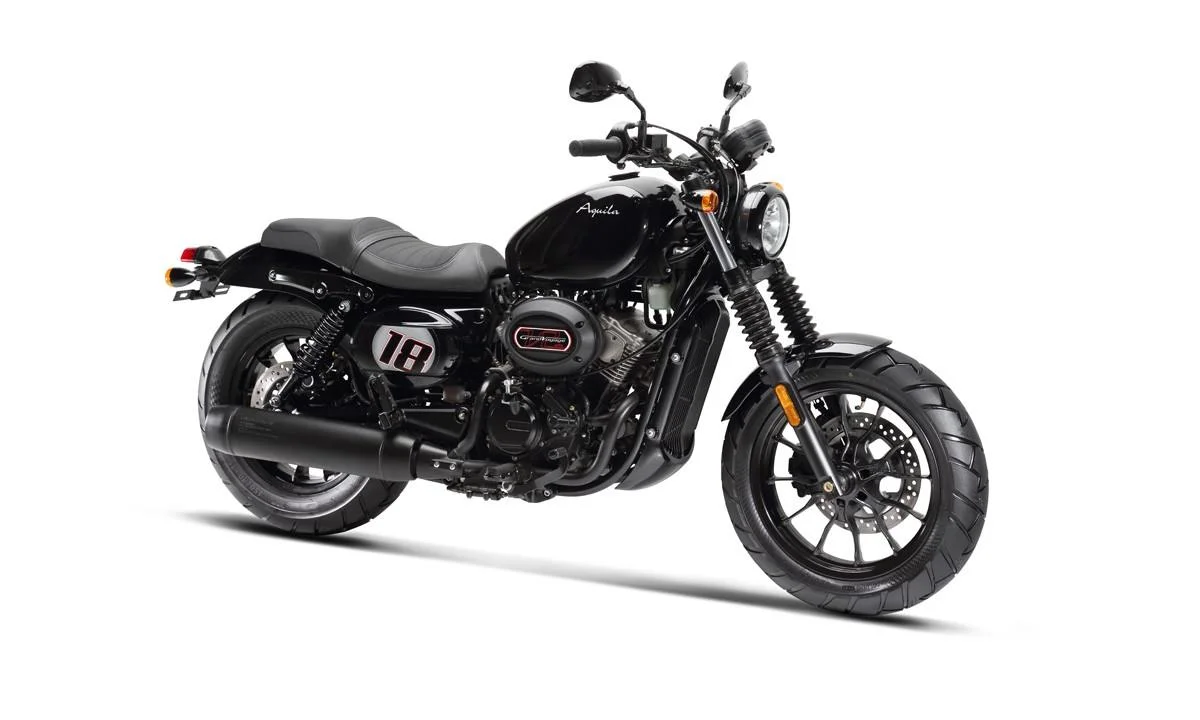
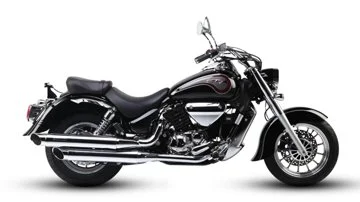
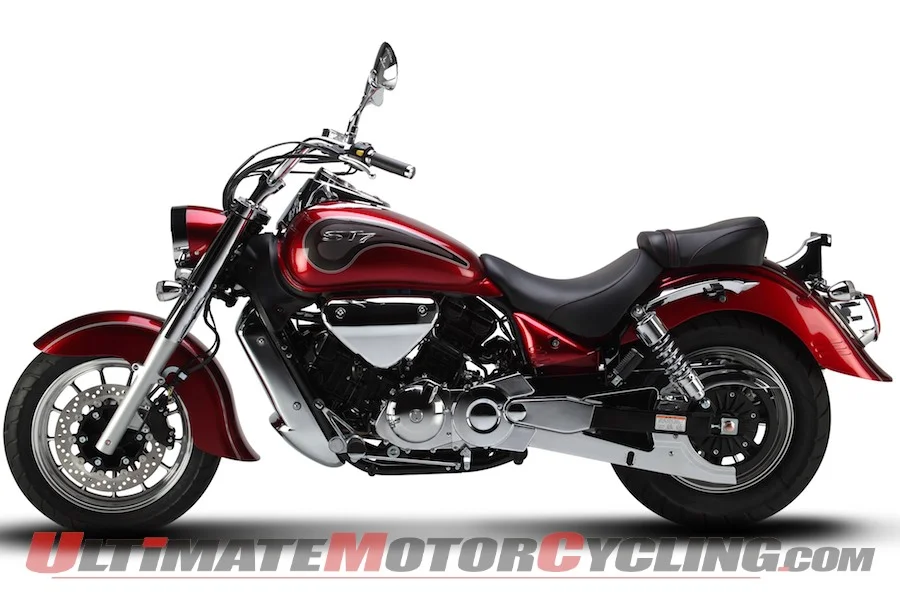
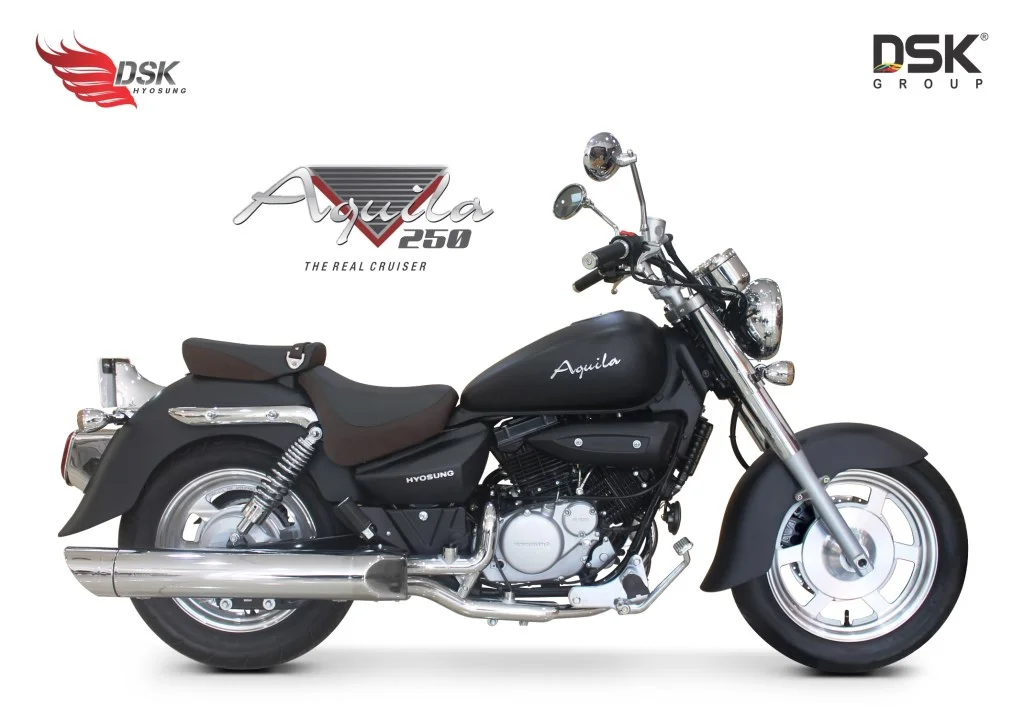
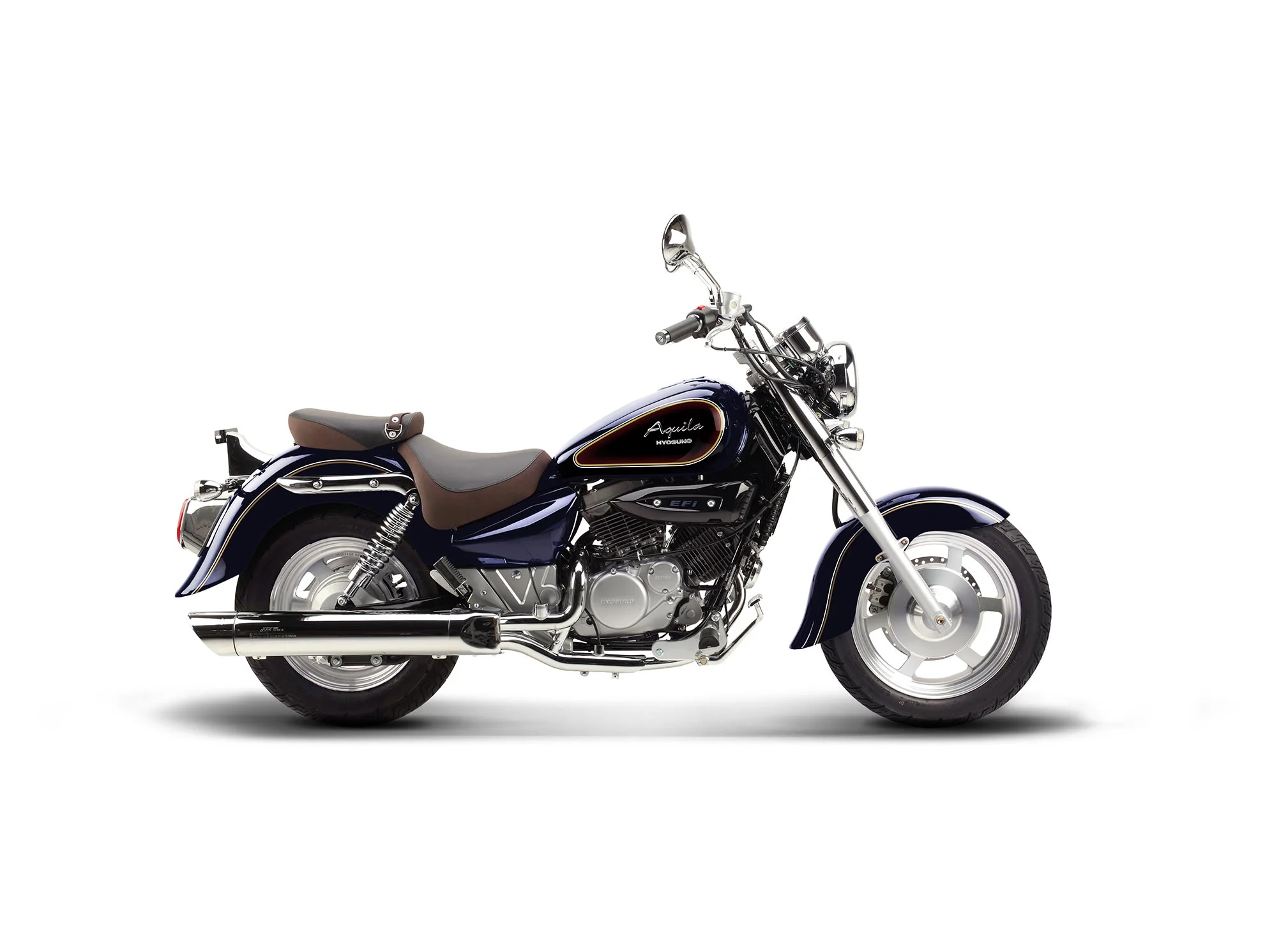
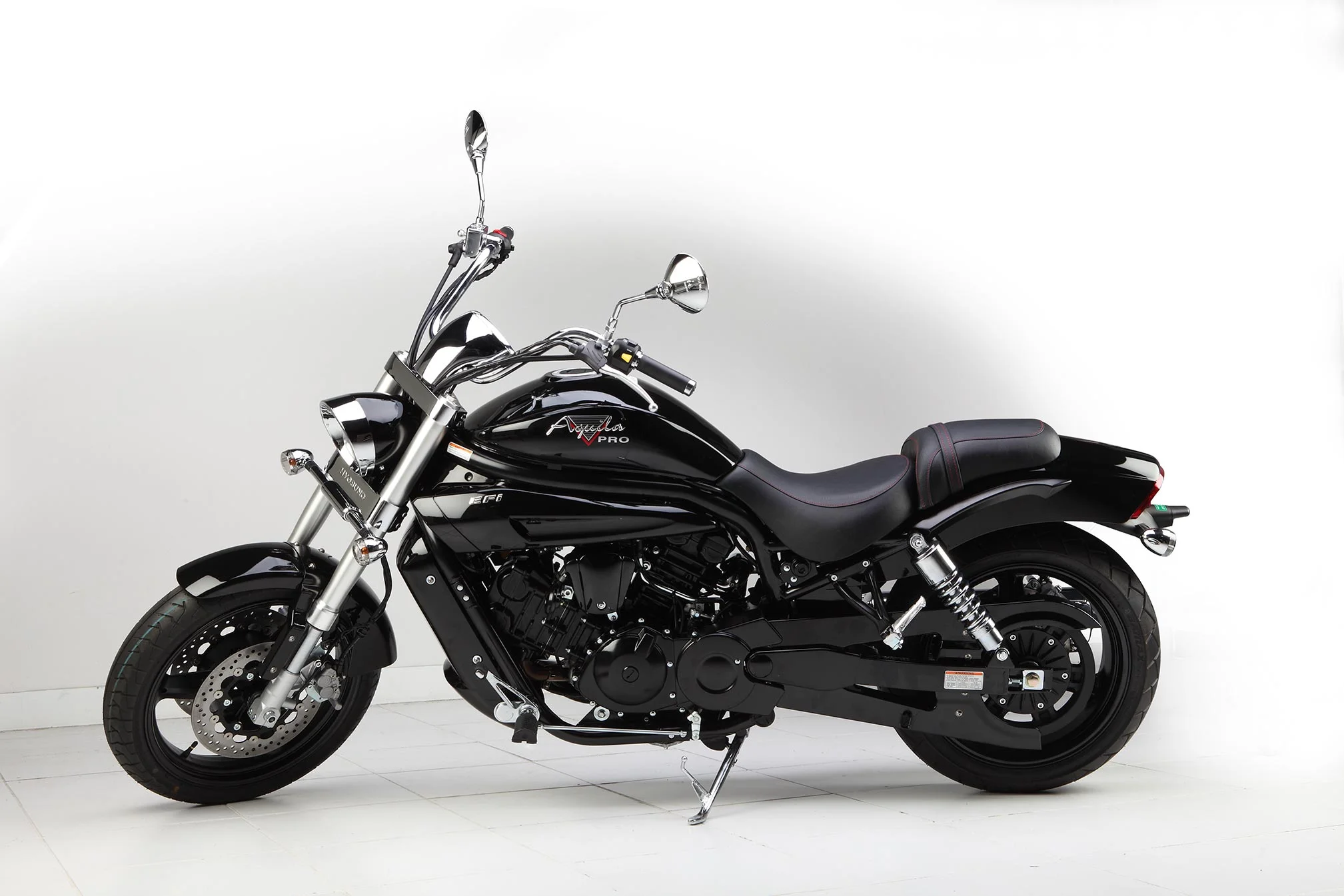
- Aquila GV650: This cruiser model showcased Hyosung's ability to create stylish and comfortable motorcycles for cruising. It featured a V-twin engine and a classic cruiser design, appealing to riders seeking a relaxed riding experience.
Buying Advice for Hyosung
Hyosung motorcycles are generally well-suited for riders who are budget-conscious, new to motorcycling, or seeking a unique engine configuration like a V-twin in a smaller displacement bike. They can be a good option for commuting, weekend rides, and exploring back roads. However, riders seeking the highest levels of performance or advanced technology may want to consider other brands.
Budget Tiers:
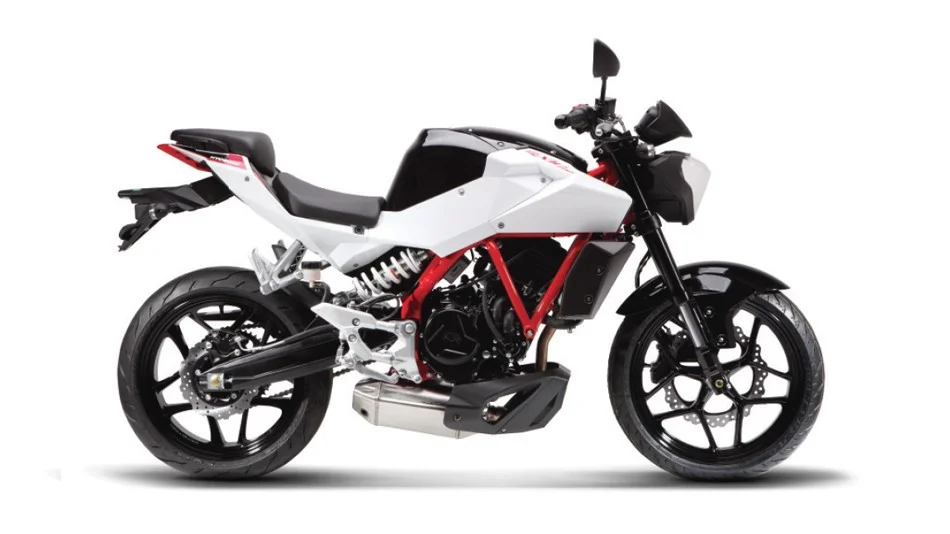
- Entry-Level: This tier typically includes models like the GD250N, which offers a basic, affordable, and manageable motorcycle for beginners. Expect prices to be competitive with other entry-level options.
- Mid-Range: The GT250R and GT650R fall into this category. These bikes offer more power and features than entry-level models but remain relatively affordable. Prices are often lower than comparable models from Japanese brands.
- Premium: Hyosung doesn't currently have models that would be considered in the premium tier. Their focus remains on providing value and accessibility in the lower and mid-range segments.
Maintenance & Long-Term Ownership:
Maintenance on Hyosung motorcycles is generally straightforward, thanks to their relatively simple engineering. Parts availability can vary depending on the region, but online retailers often offer a wide range of components. It is essential to follow the manufacturer's recommended maintenance schedule to ensure longevity and reliability.
Long-term ownership of a Hyosung motorcycle can be a rewarding experience, especially if you appreciate the brand's value-oriented approach. While some owners have reported issues with reliability, particularly with older models, proper maintenance and care can help mitigate these concerns. It's advisable to research specific models and read owner reviews before making a purchase. Compared to a brand like Honda, Hyosung might require a bit more proactive maintenance, but the initial cost savings can often offset these expenses.
📌 This content is AI-assisted with editorial review.